

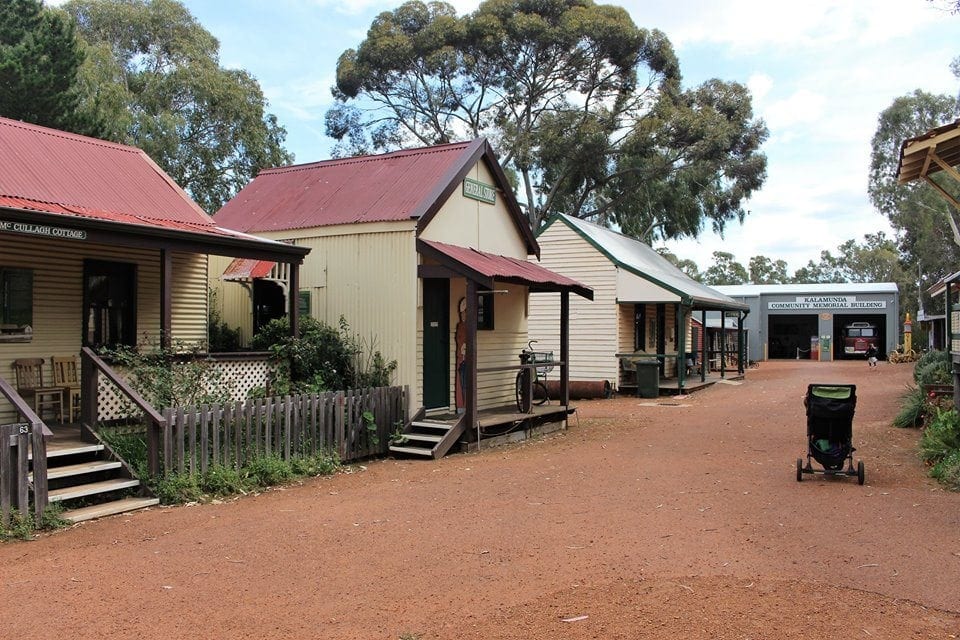
Tucked right in the heart of Kalamunda town, Kalamunda History Village is a brilliant family outing if you’re keen to show the kids what life was like long before screens, streaming and smartphones. Managed by the Kalamunda and Districts Historical Society, it’s the largest local history museum of its kind in Western Australia and offers a hands-on look at early “hills life” amongst gorgeous old buildings and vintage machinery.
Entry is via the Zig Zag Cultural and Tourist Information Centre at the top of the main street, next to the library, so it’s easy to find and combine with a wander around Kalamunda’s cafes and shops. Once you step through the gates into the former Upper Darling Range Railway Station site, it really does feel like you’ve gone back a century. Children can freely wander between the different buildings, climb aboard vehicles and explore at their own pace, and there are plenty of nostalgic “oohs” and “I remember that!” moments for parents and grandparents too.
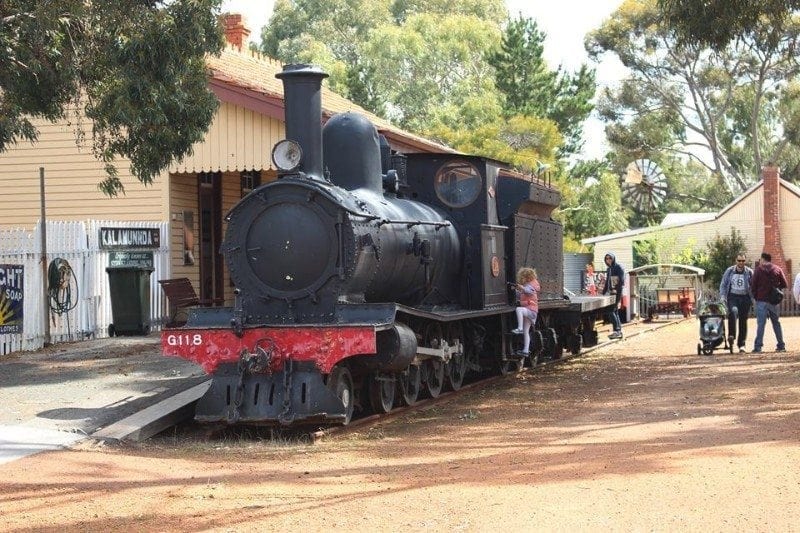
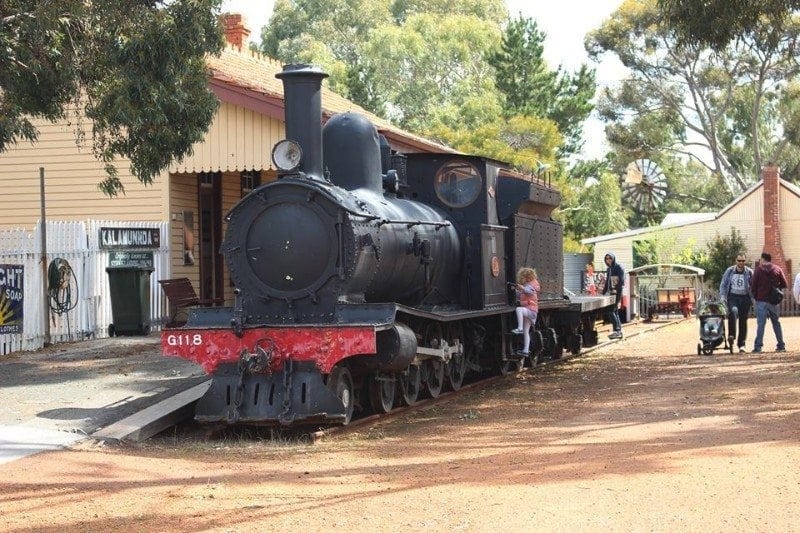
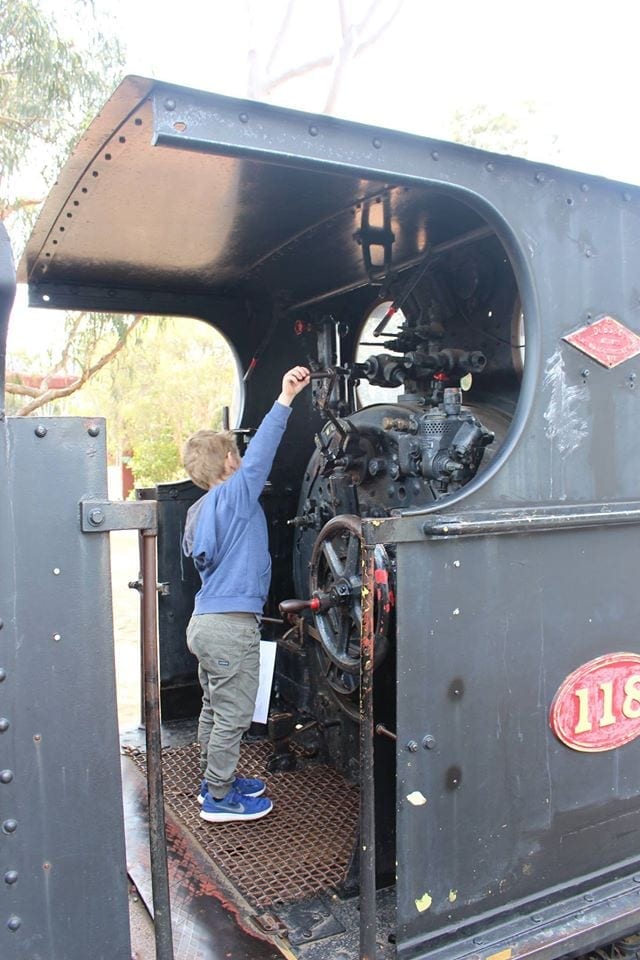
Train lovers will be drawn straight to the beautifully preserved station platform and the impressive Locomotive G118. This type of steam engine once hauled timber along the famous Zig Zag line from Canning Mills down to Midland Junction. Kids can hop up into the cab, pretend to be the driver and imagine the sound of the whistle echoing through the Darling Range. The station buildings themselves help tell the story of how important the railway was to the growth of Kalamunda as a timber and orchard town, and older children will enjoy reading the interpretation panels and photos.
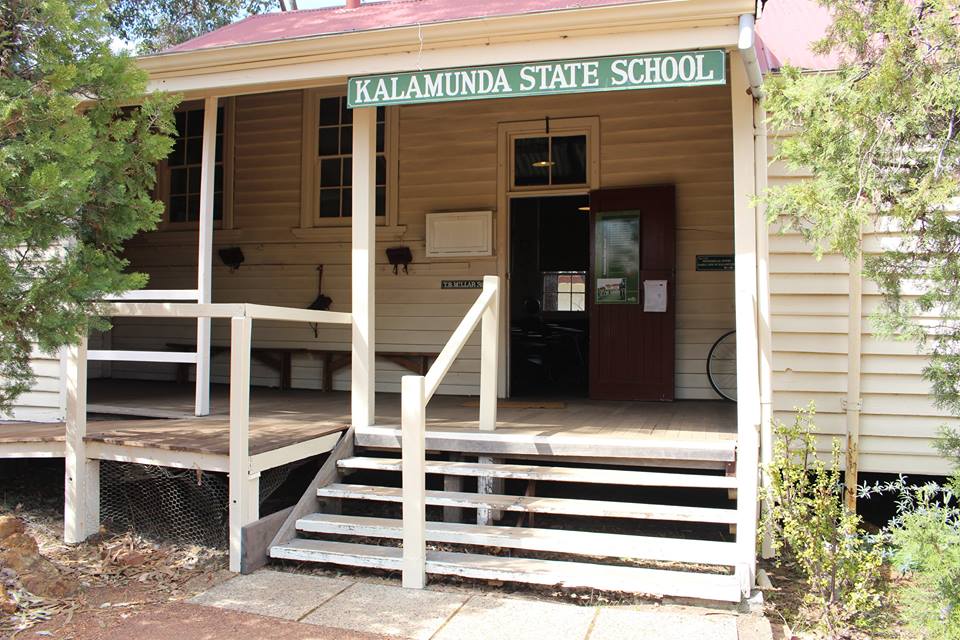
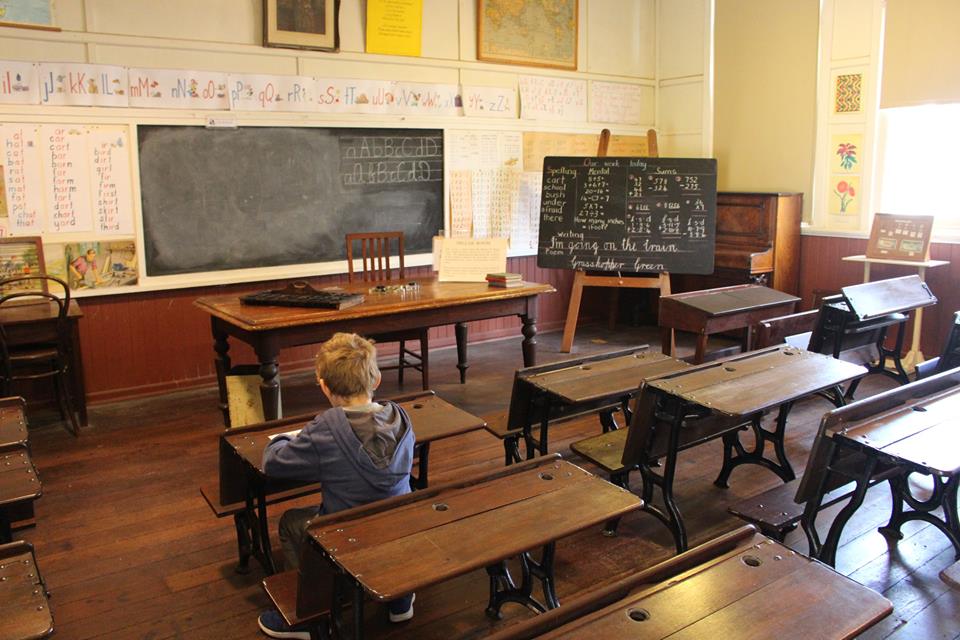
One of the most popular stops with families is the Kalamunda State School House. Set up as a classroom from the early 1900s, it’s a real eye-opener for children used to interactive whiteboards and tablets. They can sit at solid wooden desks, look at old readers and slates and picture what a school day was like when class sizes were small and discipline was strict. During school holidays, the village often runs old-fashioned school sessions and traditional Playground games like elastics, hopscotch, skipping and clapping rhymes, which are a great way for kids to experience history rather than just read about it.
Nearby there’s a small room filled with toys and treasures from decades gone by. Expect lots of curious questions as children discover wooden toys, billy carts, board games and a wonderfully detailed dolls house furnished with tiny period pieces. It’s a lovely reminder that play has always been important, even if the toys looked very different to today’s plastic and electronic favourites.



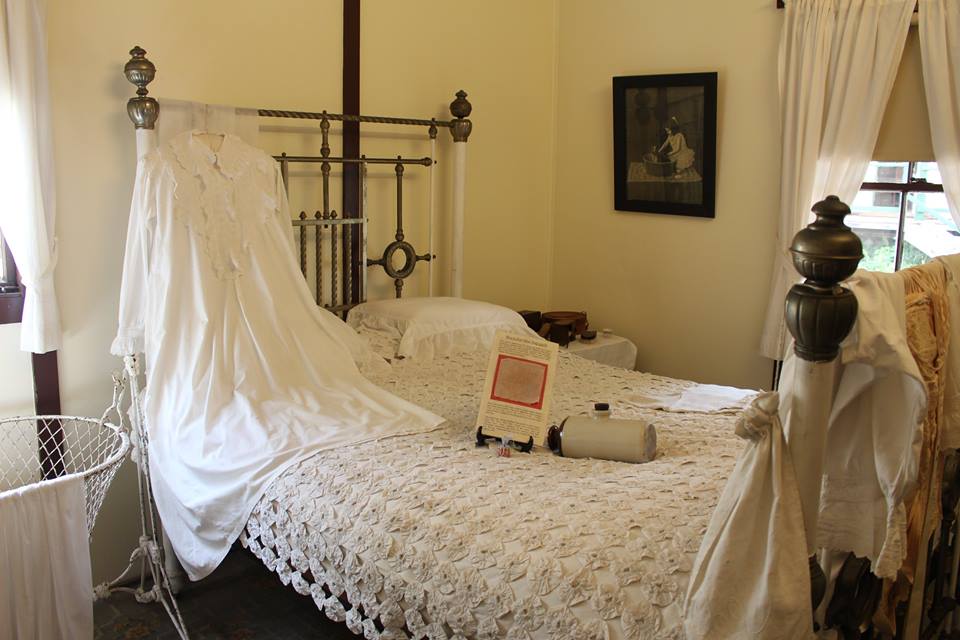
The historic cottages are another highlight and give a real sense of how families once lived in the Perth Hills. McCullagh Cottage, dating from the 1890s, is a compact settler’s home that you can walk through room by room. Everything from the iron beds and crockery to everyday gadgets and knick-knacks is arranged as though the family has just stepped outside. Outside you’ll find an old-fashioned laundry set-up with a copper, washboard and mangle, plus a classic long-drop dunny complete with spider and newspaper “toilet paper” – always a talking point with kids!

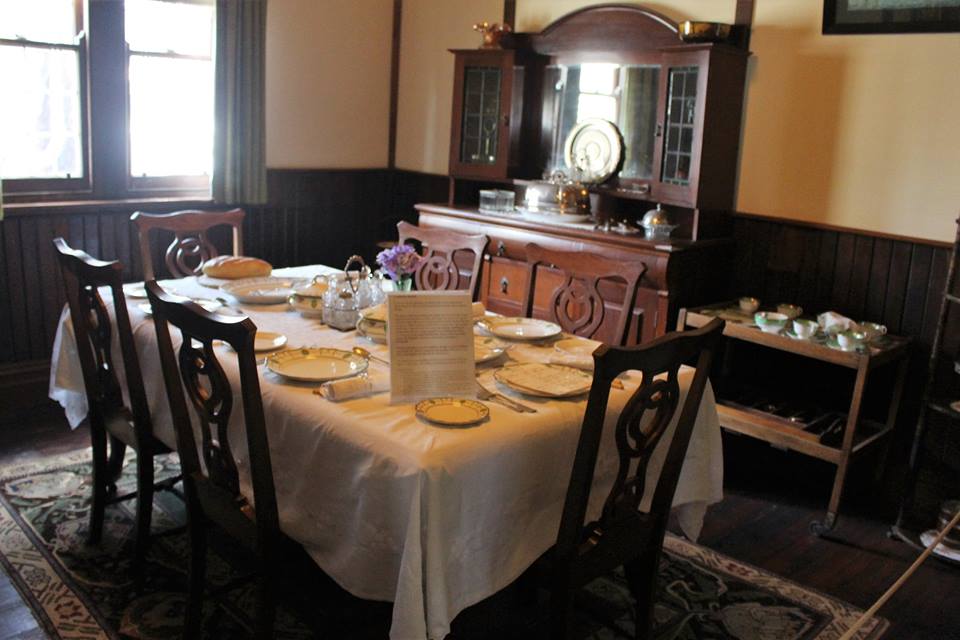
Chambers House, built in the 1920s, feels more spacious and a little more “modern”, showing how life had changed by the pre–World War II era. The kitchen is well equipped for the times and the dining room is set up as though guests are expected for a special meal. Walking through both houses in one visit really helps children see how quickly lifestyles changed over just a few decades.
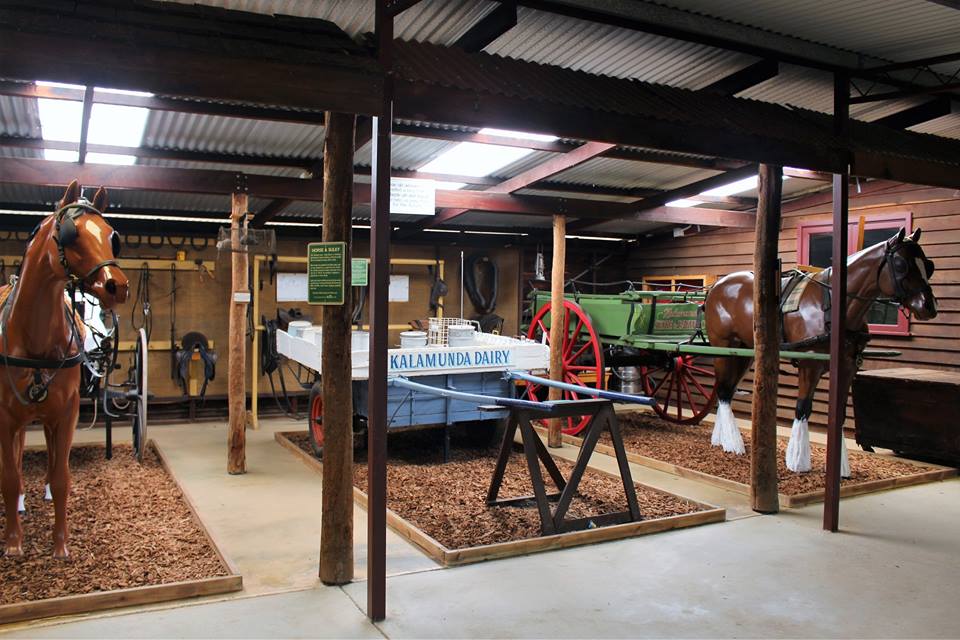
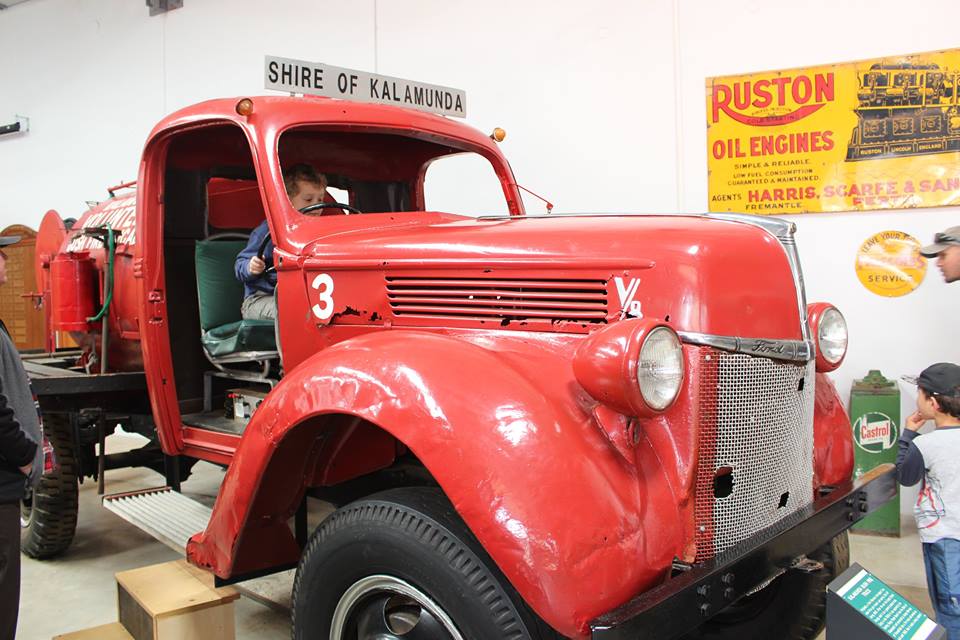
Transport fans will love the Carriage Shed, packed with horse-drawn vehicles from a time before cars took over the roads. There are carriages, carts and a milk delivery cart, as well as vintage trucks and buses that came later. The old red fire engine is always a hit, and children will happily clamber into the cab to “drive” and imagine racing off to an emergency.
Another area that really captures kids’ imaginations is the Orchard Shed. Kalamunda grew from timber and fruit-growing industries, and the shed showcases how local orchards operated. One of the stand-out pieces here is the large, old fruit grading machine. Volunteers sometimes run demonstrations, feeding “fruit” onto the conveyor belt and showing how it’s cleaned and sorted into sizes. It’s noisy, fascinating and wonderfully mechanical – a nice contrast to the quiet whir of today’s automated packing lines.

No village would be complete without a post office and general store, and Kalamunda History Village has both. The first official Kalamunda Post Office houses displays of postal, telegraph and early telephone services. Children will be intrigued by the old switchboards, telephones with cords, scales and stamps, and you can explain how letters and telegrams were once the only way to send messages quickly.
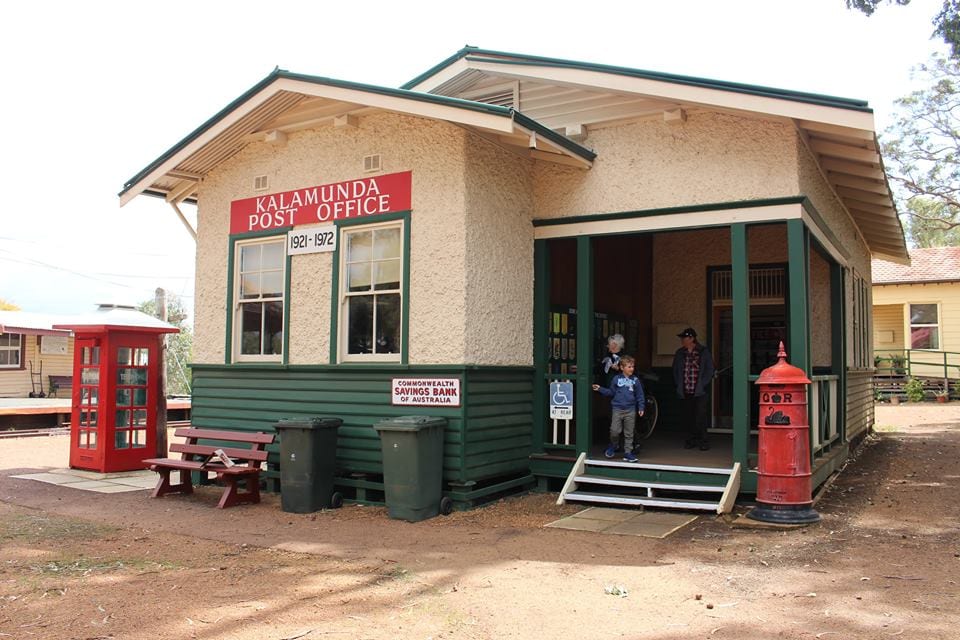
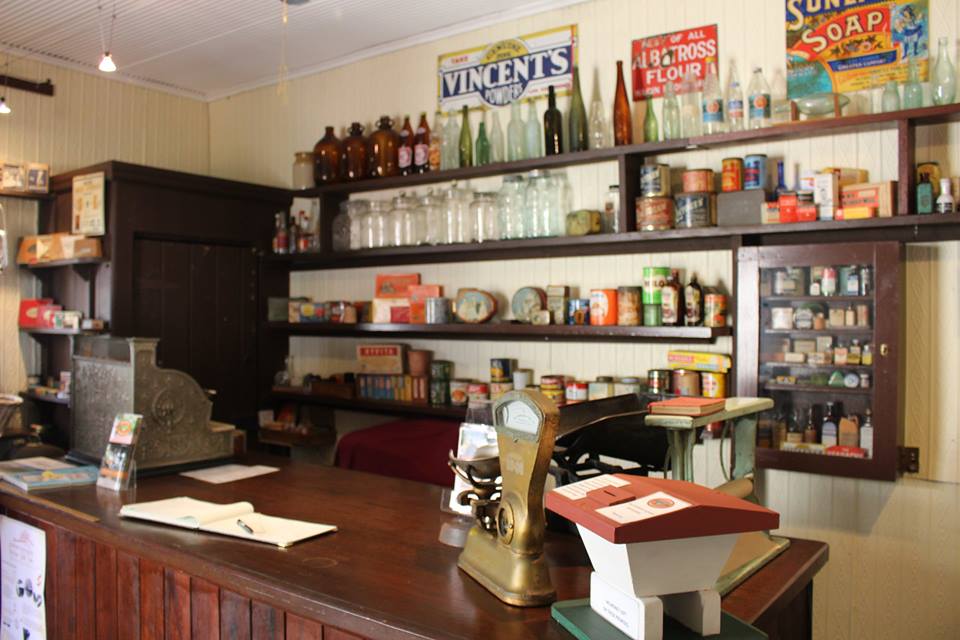
The original post office building, which now serves as the village general store, is set up with shelves of tins, jars and household items from the early 1900s. Paired with the blacksmith’s forge and timber sawpit on site, it helps paint a picture of a self-sufficient hills community.
The whole village is run with the help of dedicated volunteers, many of whom are more than happy to share stories and answer curious questions. Visiting with grandparents or older relatives makes it even more special, as they can point out familiar items from their own childhoods and add their personal memories to what you see. It’s a wonderful way to bridge generations and give children a deeper understanding of how their city and the Perth Hills have changed over time.
Kalamunda History Village is currently open on weekdays (Monday to Wednesday and Friday) from 10am to 3pm, Thursdays from 12pm to 3pm, and weekends from 10am to 4pm. Entry fees apply and are paid at the Zig Zag Cultural and Tourist Information Centre next door. Because opening hours and admission prices can change, it’s a good idea to check the Kalamunda Historical Society website before you go, especially if you’re planning to visit during school holidays or would like to join an education program.
Whether you’re raising a little history buff, have a child obsessed with trains, or just want to show your kids how different everyday life used to be, Kalamunda History Village is a fantastic, family-friendly day out in the Perth Hills and well worth adding to your Perth bucket list.
View this post on Instagram
Kalamunda History Village
Kalamunda History Village is located behind the Zig Zag Cultural and Tourist Information Centre on Railway Road, in the centre of Kalamunda, approximately 25km east of Perth in the Darling Ranges.
Opening hours (subject to change):
Monday–Wednesday & Friday: 10am–3pm
Thursday: 12pm–3pm
Saturday & Sunday: 10am–4pm
For current entry fees, program details and updates, visit the Kalamunda and Districts Historical Society website: www.kalamundahistoricalsociety.com
- About the Author
- Latest Posts

Amanda Carlin has her own food and travel blog. Established in 2013, (first as “The Chef, His Wife and Their Perth-fect Life”) Amanda loves getting out and about in Perth and WA for her blog ‘Simply PERTHfect’. You’ll find her checking out the newest foodie spots, as well as lots of WA travel, and fun family activities with the kiddos in tow. Part of a blended family of 6, Amanda always has plenty of family friendly recs. Be sure to check out Simply PERTHfect.








Comments are closed.