
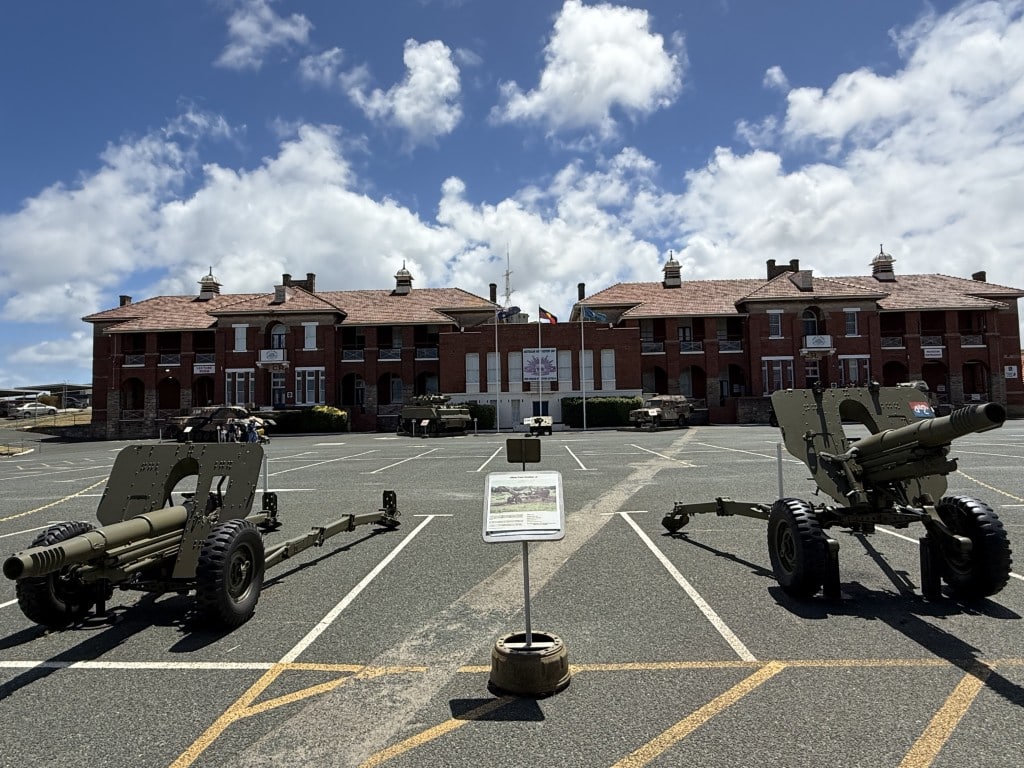
The Army Museum of Western Australia is a brilliant place for families to explore history together in a hands-on and engaging way. Housed in the heritage-listed Artillery Barracks in Fremantle, the museum brings Western Australia’s military story to life, from colonial times through to modern peacekeeping operations. Run by passionate volunteers who manage and conserve the collection, it’s a place where you can hear personal stories of service and sacrifice and really “feel” history, rather than just read about it.

Outside on the parade ground, families are immediately drawn to the impressive line-up of tanks, armoured vehicles and artillery pieces.

Kids and army enthusiasts will love spotting big-name vehicles like the Stewart Light Tank (WW2) and the Grant Medium Tank (WW2).
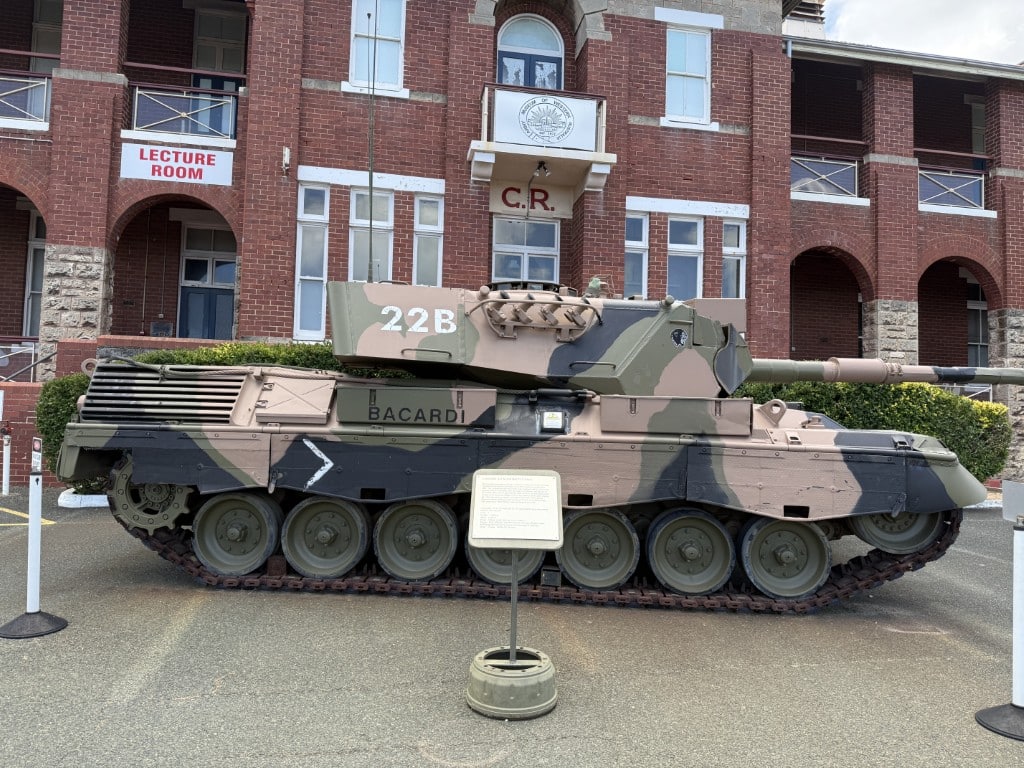

It’s well worth taking the time to read the signs, as some vehicles can be touched or even climbed into, while others are strictly look-but-don’t-climb.


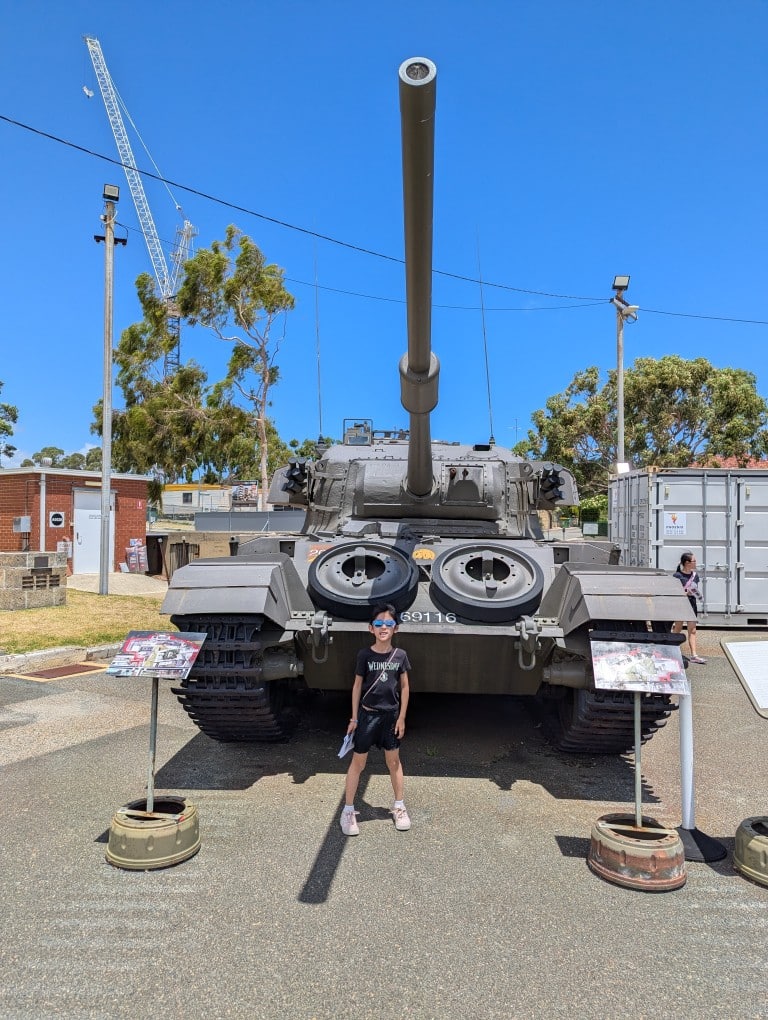

You can also peek into the vehicle conservation area to see what the team is currently restoring – a great way for kids to understand how much work goes into preserving these machines.

Step inside and you’re welcomed into the Entrance Gallery, home to the 15 Pounder Field Gun (1899). This makes a great photo spot, especially with the Vickers Medium Machine Gun and backdrop.


There’s also a computer station where families can research their own family military history, which is a lovely personal touch for those with relatives who served.

From here you can follow a natural flow through more than 10 galleries. The Tradition Gallery introduces the structure of the Australian Army, with an impressive display of WW1 and WW2 medals, uniforms, ranks, unit banners and honours. It’s a useful overview for kids and adults alike, helping make sense of the different badges and titles they’ll see throughout the museum.


One of the real highlights is the Victoria Cross Gallery, which holds original Victoria Cross medals – the highest award for valour in the Australian and British honours system. Families can admire the actual medals and, more importantly, read the powerful stories behind each one. The interpretation focuses on the incredible acts of bravery that earned these awards and is a great way to start conversations with children about courage and sacrifice.


The Pre-1914 Gallery explores Western Australia’s early military history before WW1, including British colonial forces and local volunteer units. Here you’ll find colonial uniforms, historic guns and swords, and even a matchstick model of Perth’s original Pensioner Barracks.

Younger visitors can try on uniforms and get a tactile sense of what soldiers wore in the past, which really helps bring the static displays to life.

The WW1 Gallery is one of the most immersive spaces in the museum. It tells the ANZAC story through Gallipoli, the Western Front and beyond using medals, uniforms, personal items and powerful narrative panels. Children can handle some replica items and see how soldiers lived and fought during the First World War.


For an even deeper experience, you can head downstairs into the WW1 Trench Gallery. This dark, atmospheric space gives a sense of what it might have been like in the trenches; be aware that it can feel a little spooky or intense for very young children.

In the Prisoner of War Gallery, the focus shifts to the experiences of POWs from the Boer War through to the Korean War. Dioramas and displays show daily life in camps and the hardships faced by prisoners. Some of the imagery and stories can be confronting, so parents may want to guide sensitive children through this space and pick and choose what to focus on.

Upstairs, the WW2 Gallery is beautifully curated, blending geography, timelines and personal stories to explain Australia’s role in the Second World War.

Highlights include the striking Kokoda Track diorama from 1942, which visually explains the terrain and conditions soldiers faced.

The exhibits break down complex events into digestible stories, making it easier for kids to follow and understand the “big picture” of the war.

There’s also a lovely discovery trail element here for families who have relatives that served in WW2, encouraging children to make personal connections to the objects and stories they see.

Beyond WW2, the Post-1945 Gallery covers conflicts such as the Korean and Vietnam Wars, more recent Middle Eastern operations, and Australia’s peacekeeping roles. It’s fascinating to see how equipment, uniforms and tactics have evolved over time, and how the Australian Army now operates in modern, often multinational missions.
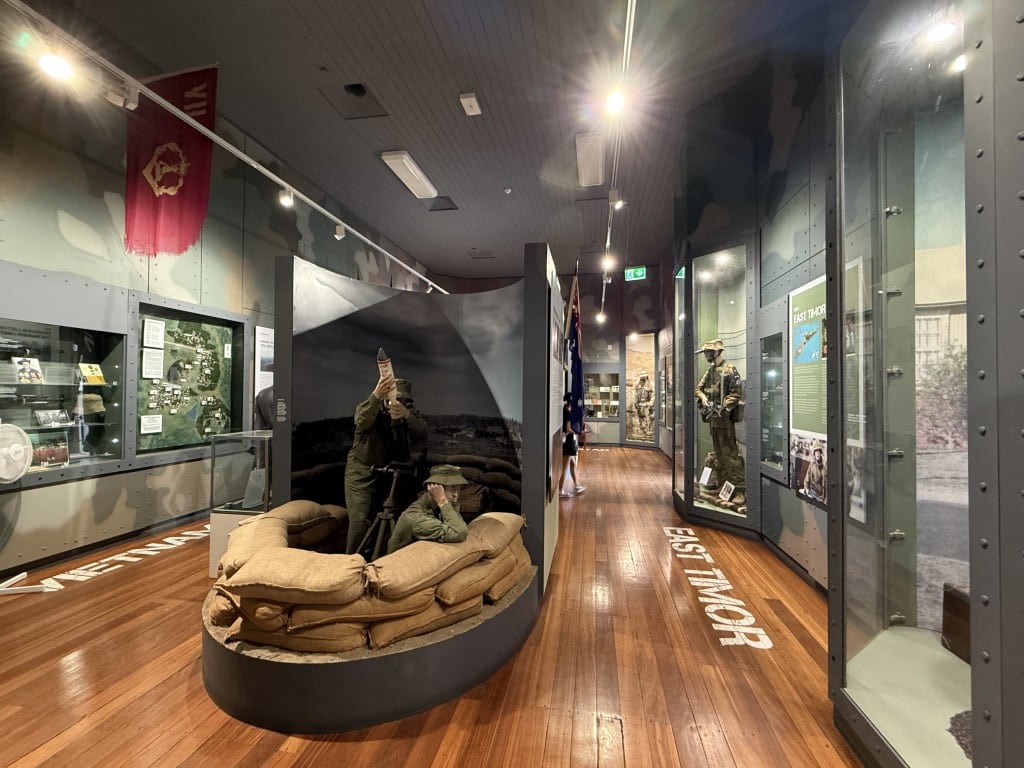

A newer and particularly fun addition is the Communications Gallery. This space showcases the evolution of military communication, from simple signalling mirrors and Morse code through to field telephones, encryption devices and satellite-based systems.

Kids will especially enjoy trying their hand at Morse code and comparing “old-fashioned” technology with the devices we use today.

Throughout the museum, there are frequent opportunities for children to dress up in uniforms and try on gear, including items that show what a modern soldier carries.

Combined with the many video displays and seating areas scattered between galleries, families can move at their own pace with plenty of chances to rest, watch short films and absorb the information.

For children, one of the best parts of a visit is the scavenger hunt offered at the start. This simple activity sheet transforms the entire museum into a giant, interactive game as kids search for specific items and details in the displays.

Staff and volunteers are wonderfully friendly and knowledgeable, always happy to answer questions, offer extra stories and gently guide children who need help finding scavenger hunt items. At the end, kids can hand in their completed sheets to receive a small memento of their visit – a lovely way to round off the experience and reinforce what they’ve learned.

Allow around two hours for a visit, though history buffs may easily spend longer. The museum is very family-friendly, but do keep in mind that some galleries are darker, and some content (particularly relating to POWs and combat) may be confronting for younger or more sensitive children. It’s a good idea to move flexibly between galleries and skip or skim parts if needed.
There is a small gift shop on site that also sells drinks, but there is no café or full food service, so bringing your own snacks and planning a meal in Fremantle before or after your visit works well.

On the ground floor you’ll find a rest area with games where children can unwind between galleries.

The site offers ramp access, a lift and toilets, making it reasonably accessible for prams and wheelchairs. Note that there is no general onsite parking (except limited ACROD parking); visitors will need to use nearby street parking and walk in. All adult visitors must present appropriate ID on entry, and tickets are available for purchase at the museum on the day.
For families keen to help their children understand Australia’s military past in a meaningful, age-appropriate and interactive way, the Army Museum of Western Australia is a must-visit. With passionate volunteers, engaging displays, hands-on elements and thoughtful activities like the scavenger hunt, it offers a powerful and memorable day out in Fremantle.
View this post on Instagram
Army Museum of Western Australia
Address: 6 Burt Street, Fremantle, WA 6160
Opening hours:
Wednesday, Thursday, Friday and Sunday
10am – 3pm (last entry at 1pm)
Official website: https://armymuseumwa.com.au/
- About the Author
- Latest Posts

Mum of two girls and working as a registered nurse. Originally from Singapore, I have spent the last 17 years in Perth where I raised my beautiful girls. After being a mum, I find passion in exploring new places and doing new activities with my kids. Besides mummy duties, I find joy in pretty dresses and books.