

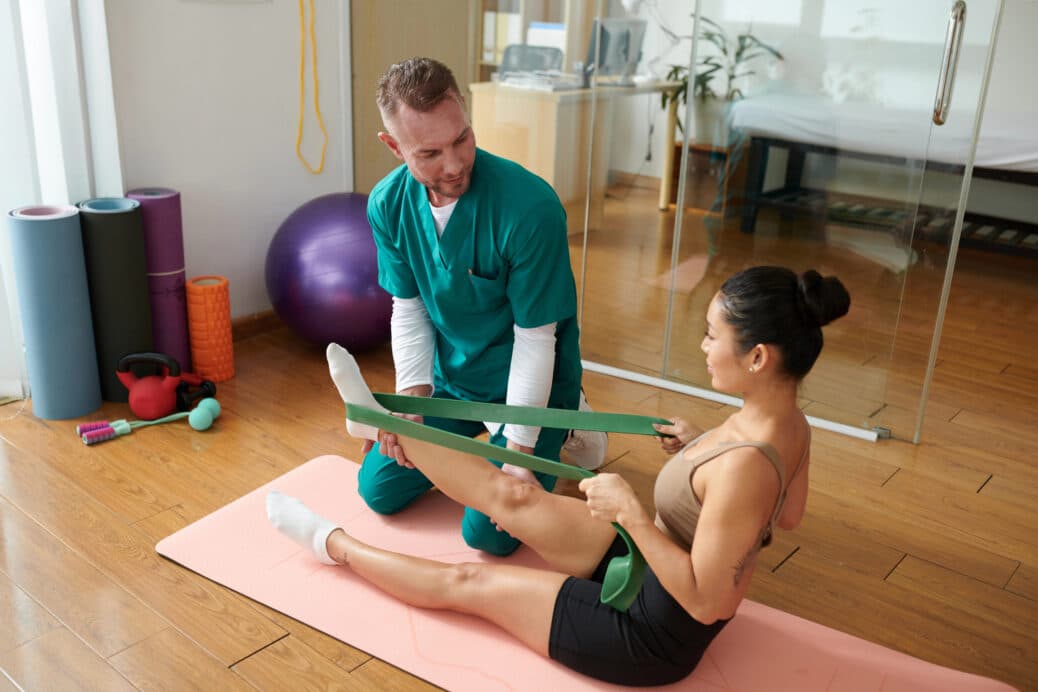
Physical injuries disrupt daily routines and slow down active lifestyles. Seeking targeted treatment helps individuals regain strength, reduce physical discomfort, and rebuild functional independence fast. Early intervention prevents acute discomfort from developing into long-term movement limitations.
Targeted rehabilitation offers custom care plans for diverse health needs. Working alongside trained clinicians helps patients recover safely through proven bodywork techniques.
Healing Sports Injuries and Accelerating Recovery
Athletes encounter joint sprains, muscle tears, and tendon strain during rigorous training activities. Targeted physical therapy acts directly on swollen tissues to speed up natural healing cycles. Therapists create personalised programs tailored to particular athletic disciplines and personal performance targets.
A physical therapy report noted that wearable technology now tracks real-time movement quality, training loads, sleep patterns, fatigue levels, and physical recovery. Practitioners analyze this biofeedback data to adjust training loads safely. This precise tracking prevents overtraining injuries and builds muscular resilience.
Targeted exercise routines strengthen supporting ligaments around injured joints. Standard modalities used during athletic rehabilitation sessions include:
- Targeted deep tissue massage to increase local circulation
- Dynamic flexibility drills that restore natural range of motion
- Progressive strength conditioning focused on joint stabilisation
Managing Chronic Back and Neck Discomfort
Sedentary desk work and poor posture frequently lead to persistent spinal discomfort. Chronic soreness restricts daily movement, making simple tasks like lifting or bending challenging. Physical therapy addresses the root causes of spinal strain rather than masking pain.
Poor posture sitting over keyboards creates severe tension throughout the upper body. Booking a session with a qualified physio in Subiaco, Perth, or your area allows patients to address spinal imbalances early. Targeted manual adjustments relieve direct nerve pressure and restore proper vertebral motion. Long-term relief comes from strengthening core stabilization muscle groups.
Customised stretching routines relieve tightness in hips and hamstrings connected to lower back strain. Clinicians teach correct ergonomic habits for home and office environments. Consistent practice of these techniques helps maintain healthy alignment every single day.
Restoring Movement After Major Orthopaedic Surgeries
Surgical interventions like knee replacements or rotator cuff repairs require structured post-operative care. Early rehabilitation protocols prevent scar tissue buildup around surgical incisions. Guided movements encourage healthy blood flow to accelerate tissue healing.
Therapists guide patients through progressive mobility exercises designed to protect healing structures. Gentle joint mobilisation helps rebuild range of motion step by step. Patient education protects daily activities during early recovery stages.
Targeted muscle activation prevents atrophy after long periods of joint immobilisation. Rebuilding strength around repaired joints reduces stiffness and supports weight distribution. Patients gain confidence as functional ability returns through steady guided practice.
Treating Work-Related Strain and Repetitive Motion Issues
Repetitive daily tasks like typing, heavy lifting, or assembly line work strain tendons and muscles. Conditions like carpal tunnel syndrome or tennis elbow develop gradually without proper biomechanical management. Targeted treatments reduce localised swelling and calm inflamed nerve pathways.
Workplace adjustments reduce daily stress on vulnerable wrists, elbows, and shoulders. Clinicians evaluate daily work setups to pinpoint harmful mechanical habits. Modifying workstation layouts keeps joints in neutral positions during long shifts.
Targeted rehabilitation combines manual therapy with specialised therapeutic exercises. Key elements used to manage repetitive motion injuries include:
- Micro-break stretching routines that relieve muscle tension
- Tendon gliding exercises to restore smooth mobility
- Targeted wrist and forearm strengthening exercises
Recovering full body function takes structured effort and professional guidance. Guided physical therapy gives individuals tools to recover safely from diverse physical challenges.
Taking early action protects long-term mobility and supports an active life. Customised physical care builds strength, restores joint freedom, and keeps bodies resilient.
- About the Author
- Latest Posts