Morning rushes, misplaced shoes, and scattered toys often turn domestic spaces into chaotic environments. Managing family clutter requires consistent strategy rather than exhausting weekend cleaning marathons.
Simple routines help parents keep household order without losing peace of mind. Setting up practical daily habits transforms busy homes into structured environments where family members move through morning routines smoothly.
Implementing Storage for Daily Chaos
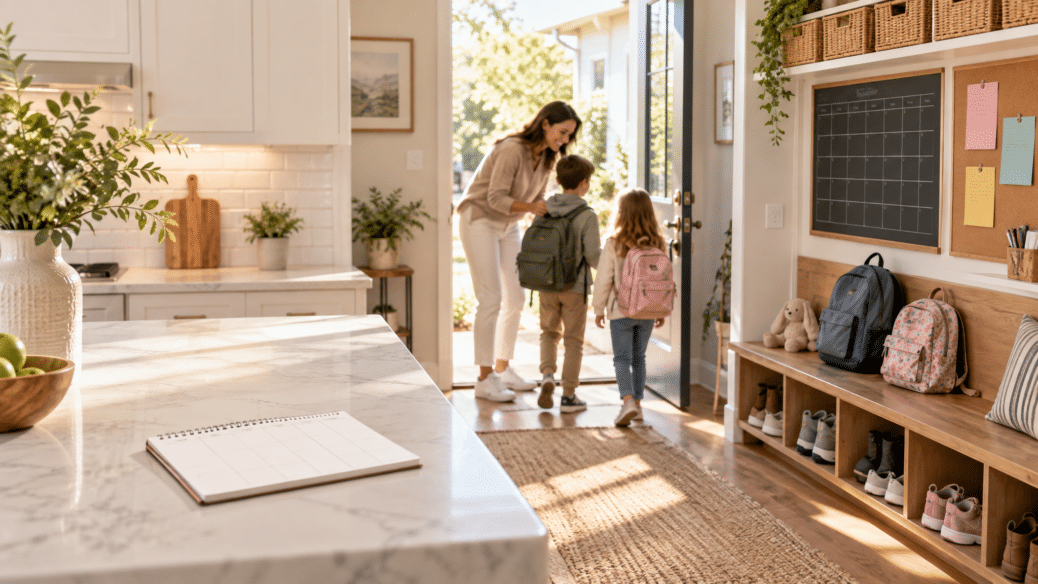
Keeping everyday gear organised requires accessible spots near entryways and main living areas. Finding flexible storage solutions makes dropping off school gear simple for young kids after long days. Outerwear, backpacks, and footwear stay contained when designated cubbies receive items immediately upon entering the front door.
Coat hooks mounted at child height encourage independent habits early in life. Clear bins on low shelves allow toddlers to grab toys and return them without adult help. Structured entry zones prevent clutter from spreading into central living rooms.
Dedicated drop zones reduce time spent searching for missing keys or lunchboxes during morning rushes. Labelling cubbies with pictures or names gives younger children direct visual cues. Building these habits early establishes lifelong organisation skills for growing children.
Organising Common Spaces With Family Baskets
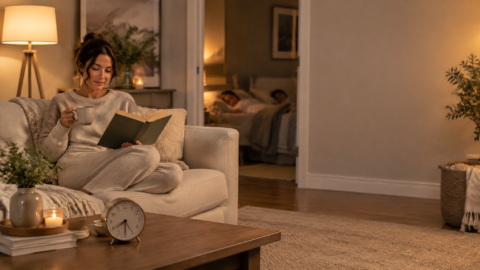
Living areas gather random items throughout the afternoon. Dedicated collection points keep personal belongings organised before nightfall.
Assigning designated containers gives family members a clear system for stray items. A professional organising resource recommended using individual baskets for each family member to move personal belongings back to bedrooms easily. Quick evening routines prevent daily clutter buildup in shared living spaces.
Quick daily cleanup tasks work best with simple steps:
- Drop stray shoes into designated bins near doors.
- Place scattered books into portable storage caddies.
- Return media controllers to labelled shelf boxes after use.
Family members handle their own baskets before bedtime to keep main rooms clear. This simple daily ritual keeps shared spaces tidy without turning cleanup into a chore.
Maximising Shared Rooms With Flexible Organisers
Shared spaces work best when furniture items serve multiple daily purposes. Compact rooms require smart placement to keep floor space open for floor play activities.
Choosing adaptable items helps growing households stay tidy on reasonable budgets. A regional housing community blog suggested trying creative storage ideas suitable for everyone and visiting local reuse stores for affordable organisation items. Reused shelving units and sturdy trunks provide great value and keep rooms tidy.
Multi-functional furniture items like storage ottomans conceal extra blankets and board games effortlessly. Vertical wall shelving frees up floor area in small bedrooms. Smart layout decisions keep living zones spacious, bright, and functional.
Rotating Toys and Streamlining Play Areas
Excessive toys in playrooms frequently overwhelm young minds and create massive cleanup duties. Keeping half of the toy collection stored away keeps children engaged with fewer items.
Selecting mixed types of containers protects bedroom floors from toy piles. An art and design college publication highlighted that storage options range from built-in units and mobile setups to shelving systems, hidden spaces, and dual-use furniture. Swapping stored items monthly gives children fresh excitement without purchasing new products.
Fewer choices in play areas encourage deeper focus during independent playtime. Structured storage bins make sorting blocks and art supplies straightforward for young children. Organised play spaces make daily cleanups fast and hassle-free.
Creating organised spaces takes initial setup time, but daily consistency pays off quickly. Small adjustments reduce morning stress and give family members clean rooms to enjoy. Simple habits keep homes functional for busy parents and growing kids.
- About the Author
- Latest Posts