Growing a baby brings many changes to your body, and puffy lower limbs often join the list during your second or third trimester. Your body naturally produces extra fluid and blood to support your developing infant, which accumulates in your lower legs and feet.
Carrying extra fluid can leave your favourite pair of shoes feeling tight and your ankles looking double their normal size by late afternoon. Relief is completely manageable when you build simple daily care routines into your normal schedule.
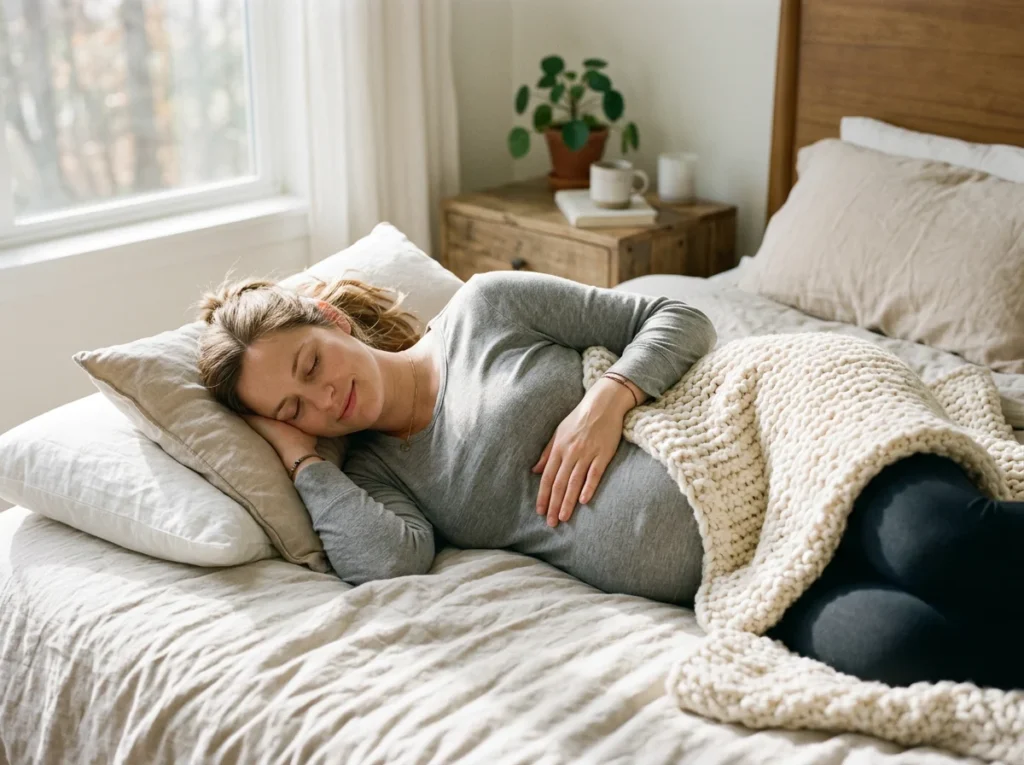
Put Your Feet Up for Better Circulation
Gravity can contribute to fluid collecting around the lower legs throughout the day, which may be especially noticeable during pregnancy. Along with regular movement and adequate hydration, wearing graduated compression stockings can provide gentle support for the legs when swelling becomes uncomfortable. Elevating your feet above heart level during rest periods can also give your legs a welcome break.
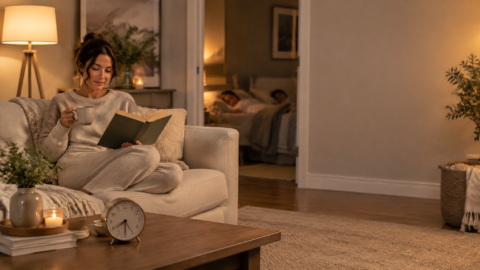
Resting on a comfortable couch with pillows stacked neatly under your heels lets trapped fluid move freely back into circulation. Taking short rest breaks during long work hours prevents fluid from pooling around your ankles when you sit.
Lying on your left side when resting takes pressure off the main vein returning blood from your lower body to your heart. Taking twenty minutes every afternoon to rest with elevated legs creates noticeable comfort long before dinner time arrives.
Stay Active with Gentle Movement
Regular daily walking helps your calf muscles act as a natural pump, pushing fluid upward toward your heart. Light physical activity keeps joint fluid moving smoothly and prevents stiffness in your feet after long periods of sitting.
An Australian health platform notes that gentle pressure on lower limbs stops blood pooling in your legs during long stretches of activity. Swimming or water aerobics provides full-body buoyancy that lifts pressure off your pelvic veins and soothes tender joints.
Simple foot and ankle circles done when sitting at your desk keep circulation active throughout your busy workday. Doing ten quick ankle-flexing movements every hour keeps fluid moving steadily through your lower limbs.
Stay Hydrated to Flush Excess Liquid
Drinking plenty of fresh water might sound counterintuitive when your feet are swollen, but proper hydration actually signals your body to release stored fluid. Skimping on liquids causes your tissues to hold onto extra water as a protective mechanism.
Medical guidance suggests aiming for at least ten glasses of water daily so your kidneys function at their absolute best. Carrying a refillable water bottle throughout the day helps you track intake and maintain consistent hydration levels.
Cutting down on high-salt foods reduces fluid retention and keeps your blood pressure in a healthy range. Swapping salty processed snacks for fresh fruits and vegetables helps balance your natural sodium levels.
Recognize Signs and Know When to See Your GP
Mild swelling in both feet is a normal part of pregnancy for most expectant mums across Australia. Noticing sudden swelling in your hands, face, or ankles requires a quick discussion with your medical practitioner.
Clinical insights highlight that maternity support garments with graduated pressure encourage blood and lymph to return to the heart, reducing fluid build-up effectively. Persistent leg pain accompanied by heat or redness in one calf needs medical attention to rule out blood clots.
Headaches, blurred vision, or severe pain under your ribs combined with fluid retention can indicate pre-eclampsia. Contacting your midwife or GP right away provides peace of mind and keeps both you and your baby safe.
Managing puffy feet requires a balanced routine of leg elevation, healthy hydration, and light daily activity. Making small adjustments to your daily routine brings real comfort as your due date approaches.
Listen to your body and share any sudden physical changes with your healthcare team right away. Simple home care strategies keep you moving comfortably throughout your pregnancy journey.
- About the Author
- Latest Posts
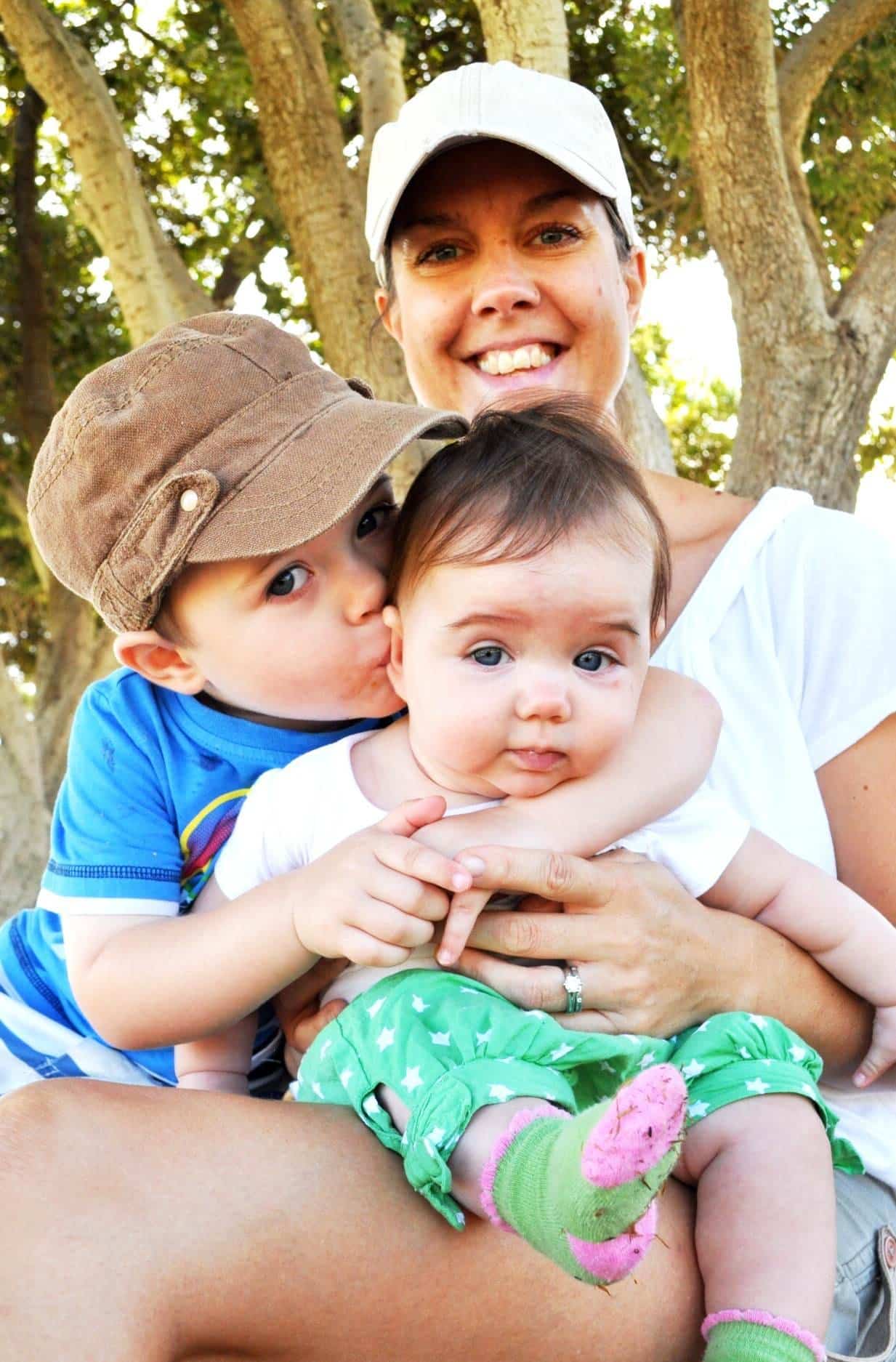
Lorraine is co-owner of Buggybuddys & Seniorocity and is a mother to two and furmum Cocker Spaniel Storm. Lorraine is also a qualified personal trainer and pilates teacher, once owning her own Yoga & Pilates studio in Perth. She previously lived and worked in London, UK where she worked as Public Relationships and Marketing Manager for several IT companies and worked with some of the largest tech companies in the world including Microsoft, Dell and EMC.