

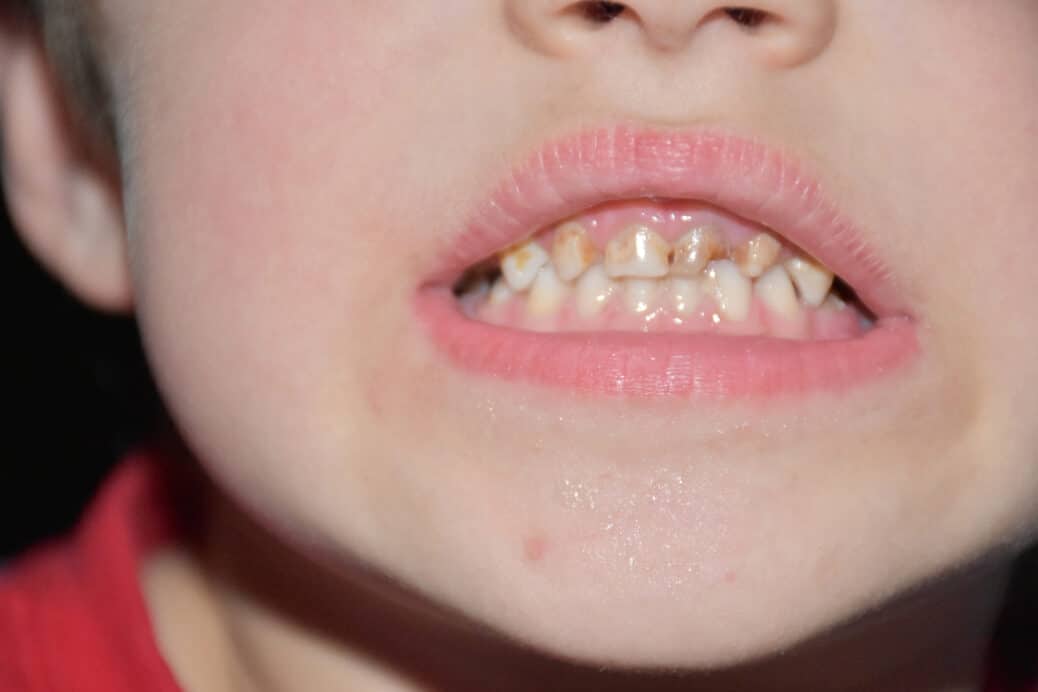
A concussed tooth is one of the more common forms of dental trauma in children. It happens when a tooth absorbs a sudden impact but does not become loose or move out of place. Dentists often refer to this injury as a dental concussion. The tooth can feel tender when your child bites down or touches it, even though it looks normal from the outside.
Because children are active and still developing coordination, these injuries aren’t rare in Australia. Understanding the signs early can help you protect your child’s oral health and avoid long-term complications.
Why Young Children Often Experience Tooth Injuries
Kids explore the world at full speed. Running through the house, climbing furniture, jumping at the park, and joining organised sports activities all increase the risk of bumps and falls. Some children may experience a simple concussion, while others suffer a crown fracture, root fracture, or even complete dental avulsion.
A 2025 study discovered that most traumatic dental injuries happened in male children about three years old. Most accidents happened at home and were caused by falls or playtime.
Young children are particularly vulnerable because their balance and reflexes are still developing. Many parents also underestimate how much force a simple fall can place on the teeth and surrounding structures. A seemingly mild hit can affect the periodontal ligament, which helps anchor the tooth inside the socket. In more serious cases, the impact may also affect the alveolar bone and other tooth-supporting structures.
More severe accidents can happen during contact sports, vehicle accidents, or rare physical altercations between older children. Some injuries also involve foreign objects, such as sticks, toys, or sporting equipment, hitting the mouth directly.
Why Prompt Assessment Makes a Difference
Since many concussed teeth look normal, families sometimes delay treatment until the pain worsens. That delay can make diagnosis harder and allow hidden complications to progress. A dentist can evaluate the injury early using a pulp sensitivity test and a dental x-ray to check the root, surrounding bone, and nerve health.
Seeking help from an experienced provider, for instance, one of Perth’s best dentists, can improve the chances of preserving the tooth and preventing future issues. Careful monitoring is especially important for younger children because injuries may affect developing adult teeth beneath the gums.
Follow-up visits remain important even if the discomfort fades quickly. Some injuries take time to reveal more serious damage.
What Happens During a Tooth Concussion?
Think of a concussed tooth like a bruised finger. The tooth itself may remain intact, but the tissues around it absorb the shock. The injury can irritate the dental pulp, damage tiny blood vessels, and inflame nearby gum tissue. A child may feel discomfort while eating, especially when chewing crunchy foods.
Unlike a knocked-out tooth, the tooth stays in place. It also differs from conditions like lateral luxation, extrusive luxation, or intrusive luxation, where the tooth visibly shifts position. Those injuries are usually easier for parents to recognise because the tooth appears crooked, pushed inward, or partially pulled out.
With tooth concussions, symptoms can be subtle. Some children only mention sensitivity for a day or two. In certain cases, dentists may detect dental intrusion, where the tooth is forced deeper into the gum socket after impact. This can be especially concerning in children with immature root development, as growing teeth are more vulnerable to complications.
Common Signs Parents Should Watch For
After a fall or collision, it helps to monitor your child closely for changes inside the oral cavity. Symptoms do not always appear immediately and can evolve over several weeks.
Here are some warning signs that deserve attention:
- Pain when biting or tapping the tooth
- Sensitivity to hot or cold foods
- Mild swelling near the gums
- Complaints of pressure or discomfort
- Slight colour changes in the tooth
- Difficulty eating on one side of the mouth
- Visible bruising around the gums
Sometimes the tooth later develops dental darkening, which may suggest damage to the nerve supply. In more serious situations, a child may develop spontaneous pain, swelling, or even a gum boil near the injured area.
These changes can indicate complications such as pulp necrosis or infection. Early assessment matters because delayed treatment may increase the risk of root resorption, where the body gradually breaks down part of the tooth root.
How Dentists Treat a Concussed Tooth
Treatment depends on the severity of the injury and the child’s symptoms. Minor cases may only require observation, soft foods, and temporary adjustments to eating habits.
Dentists often recommend avoiding hard snacks while the tooth heals. Good oral hygiene also matters during recovery because inflammation around the gums can worsen if plaque builds up.
In more complicated cases, treatment may include:
- Stabilising loose or injured teeth
- Monitoring nerve health over several appointments
- Managing infection or inflammation
- Protecting damaged teeth from further injury
If nearby teeth become unstable, a dental splint may help keep them secure while healing occurs. Severe injuries involving a damaged nerve may eventually require root canal therapy to remove infected tissue.
For some children, root canal treatment becomes necessary if the tooth no longer responds normally or develops persistent infection. In extreme cases, dentists may discuss future tooth replacement procedures once the child is older.
Caring for Your Child at Home After the Injury
Home care plays a major role in recovery. Brushing teeth gently avoids direct pressure on the sore area. Cold foods can sometimes reduce discomfort during the first day or two. Dentists may also suggest rinsing with a mild saline solution to keep the mouth clean.
Avoid letting children bite into hard foods while the tooth heals. Crunchy snacks can place additional stress on already injured tissues and weaken compromised tooth enamel.
Watch carefully for swelling, fever, worsening pain, or newly developed mobile teeth. These signs may indicate a developing infection or more serious injury requiring urgent review.
If symptoms escalate suddenly, contact an emergency dentist immediately. Access to timely emergency dental care can prevent permanent complications.
Reducing the Risk of Future Injuries
Children are naturally active, curious, and adventurous. Still, small safety measures maintain playground fun while lowering the risk of serious injuries.
Parents can help by using safety gates for toddlers, supervising risky play, and encouraging mouthguards during organised sport. Teaching children healthy habits around climbing, running indoors, and rough play also supports long-term dental health.
Routine dental care visits allow dentists to monitor healing after injuries and identify hidden problems before they worsen.
Protecting Smiles After an Accident
A concussed tooth may seem minor at first, but even small impacts can affect a child’s developing smile. Paying attention to soreness, colour changes, or sensitivity after an accident gives you a better chance of catching problems early.
Quick action, careful monitoring, and professional advice can help your child recover comfortably while protecting their teeth for the future.
- About the Author
- Latest Posts