

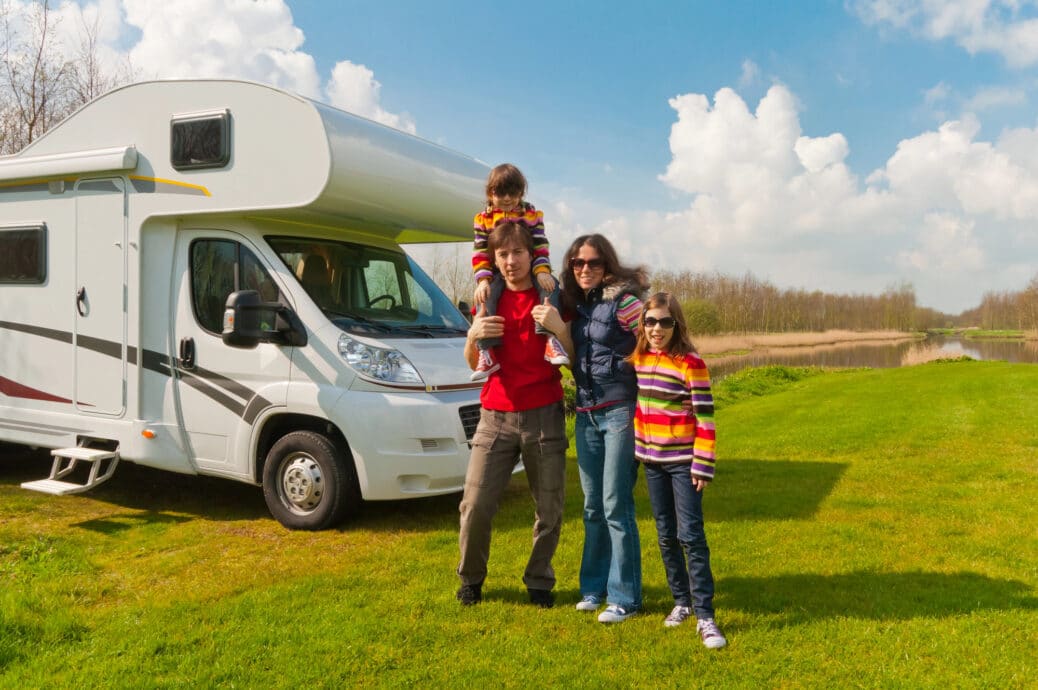
Any parent who has tried a long road trip knows the question comes fast. Usually around the 40-minute mark. “Are we there yet?” turns into “I’m bored” turns into someone kicking the back of a seat. A campervan holiday stretches that road trip out over a week or two, so the entertainment question becomes a much bigger one.
The good news is that campervans solve the boredom problem better than most parents expect. The vehicle itself is part of the fun. Kids get to sleep somewhere new, eat somewhere new, wake up somewhere different, and explore a new spot almost every day. That novelty does a lot of heavy lifting on its own.
But novelty wears off after day three. So what then?
Pick a route with built-in variety
The single biggest factor in keeping kids happy on a campervan trip is the route you choose. A long, flat drive through nothing-much will test even the most patient seven-year-old. A route with frequent stops, beaches, animals, ice cream towns, and the occasional playground will not.
Some routes are almost custom-built for families. The Great Ocean Road out of Melbourne gives you koalas, beach stops, the Twelve Apostles, and small towns where kids can stretch their legs every hour or so. If you are starting in Victoria, the Melbourne branch of most major hire companies sits within easy reach of the route, which makes the first day of the trip a short and forgiving one.
In New Zealand, the Christchurch-to-Queenstown loop hits a similar sweet spot. Glaciers, jet boats, sheep paddocks, and the kind of mountain scenery that genuinely makes children stop talking for a minute or two. Family campervan rentals in Christchurch are popular for exactly this reason. The South Island packs an enormous amount of variety into a small driving radius.
In the US, the Pacific Coast Highway is a tougher sell with very young children because the drives between proper kid-friendly stops can be long. But families who pick up camper van rentals in LA and head north toward Santa Barbara, Pismo Beach, Big Sur, and Monterey tend to find the right pacing. Beach, beach, sea otters, beach. That works for almost any age.
Build a “boredom box” before you leave
Most parents pack snacks. Fewer pack a dedicated entertainment kit. A small box or soft bag full of things kids can only access in the campervan does serious work on long stretches.
A few suggestions that hold up well: sticker books, magnetic travel games, a deck of cards, a cheap notebook with coloured pencils, audiobooks downloaded to a tablet, and one or two new toys the kids have not seen before. The “new” part matters. Familiar toys lose their grip after a day. Something unwrapped on day four buys you another two hours of peace.
Avoid loading up on anything with small pieces. Lego on a moving campervan is a recipe for tears and lost bricks under the seats.
Plan the day around energy, not distance
Adults plan road trips by kilometres. Kids experience them by energy levels. A six-hour driving day looks fine on a map and feels brutal in practice if there is no proper run-around break in the middle.
A loose rule that works for most families is two hours of driving, then a real stop. Not a petrol station stop. A playground, a beach, a riverside path, somewhere kids can move their bodies for thirty or forty minutes. The total daily drive time should rarely go past four hours with kids under ten. Past that and you start trading the rest of the day for one extra destination, which is almost never a good deal.
Mornings are usually the best driving window. Kids are fresh and the campervan is already packed up from the night before, so you arrive at your next stop with the afternoon free for swimming or exploring.
Let them help run the trip
Children who feel like passengers get bored faster than children who feel like crew. Giving kids small jobs around the campervan changes the whole dynamic.
A five-year-old can be in charge of pulling the curtains at night. An eight-year-old can help wash dishes or set out cereal bowls in the morning. Older kids can navigate using a paper map, choose the playlist for the next stretch of road, pick the campsite for the following night from a shortlist you have pre-approved, or research the next day’s stops.
This sounds small. It is not. A child who chose tonight’s campsite is invested in tonight’s campsite. They will tell you about it. They will remember it ten years later.
Embrace the boring bits
One last thing worth saying. Some of the best moments on a family campervan trip are the quiet ones. The kids drawing at the fold-down table while you make dinner. A board game played outside on a camp chair. The hour after sunset when everyone is tired and nobody is asking for the iPad.
A campervan holiday is not a theme park. The pace is slower and the entertainment less constant. That is the point. Kids who would normally fill every spare minute with a screen often surprise their parents by settling into the rhythm faster than the adults do. The boredom you were worried about turns out to be the thing they remember most fondly.
- About the Author
- Latest Posts