
Bluff Knoll in Stirling Range National Park is one of WA’s most iconic hikes and a serious adventure for active families. Rising to around 1098m above sea level, it’s the highest peak in the Stirling Range and one of the few places in WA that occasionally sees snow. The return hike to the summit is about 6.8km via the Bluff Knoll Summit Trail, graded 4 and very steep in places, so it’s best suited to reasonably fit adults and kids who love a challenge rather than first-time walkers. Expect the walk to take roughly 3–5 hours return, depending on your fitness, weather conditions and how long you spend enjoying the views at the top.

Bluff Knoll sits within Stirling Range National Park, about 4.5 hours’ drive south of Perth and around 1.5 hours from Albany. You access the trailhead via Bluff Knoll Road off Chester Pass Road. A park entry fee applies at the Stirling Range entry station, and no dogs are allowed in the park or on the trail due to conservation. The car park at the base of Bluff Knoll has toilets, an information shelter and several lookouts; even if you don’t tackle the summit, these viewing platforms are wheelchair accessible and offer spectacular mountain views.
This hike is all about preparation. The weather on the peaks can change very quickly – clear blue skies can turn to mist, rain or even hail without much warning. Dress in layers and pack a waterproof jacket for everyone, even on seemingly warm days. In our packs we carried warm layers, rain jackets, sunscreen, hats, lots of water, plenty of snacks, a basic first aid kit, toilet paper (just in case), and a small bag for rubbish and “nature treasures”. Sturdy, grippy footwear is essential; this is not a walk for thongs or fashion trainers. A personal location beacon (PLB) is recommended by parks authorities for more remote or off‑track adventures in the Stirling Range, and while it’s not required for the established Bluff Knoll Summit Trail, it’s wise to let someone know your plans and expected return time.
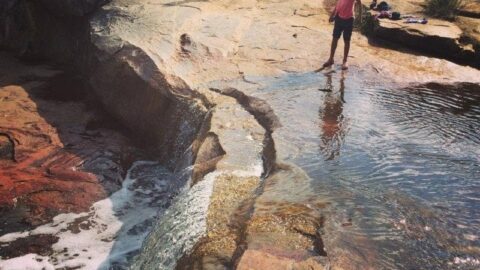
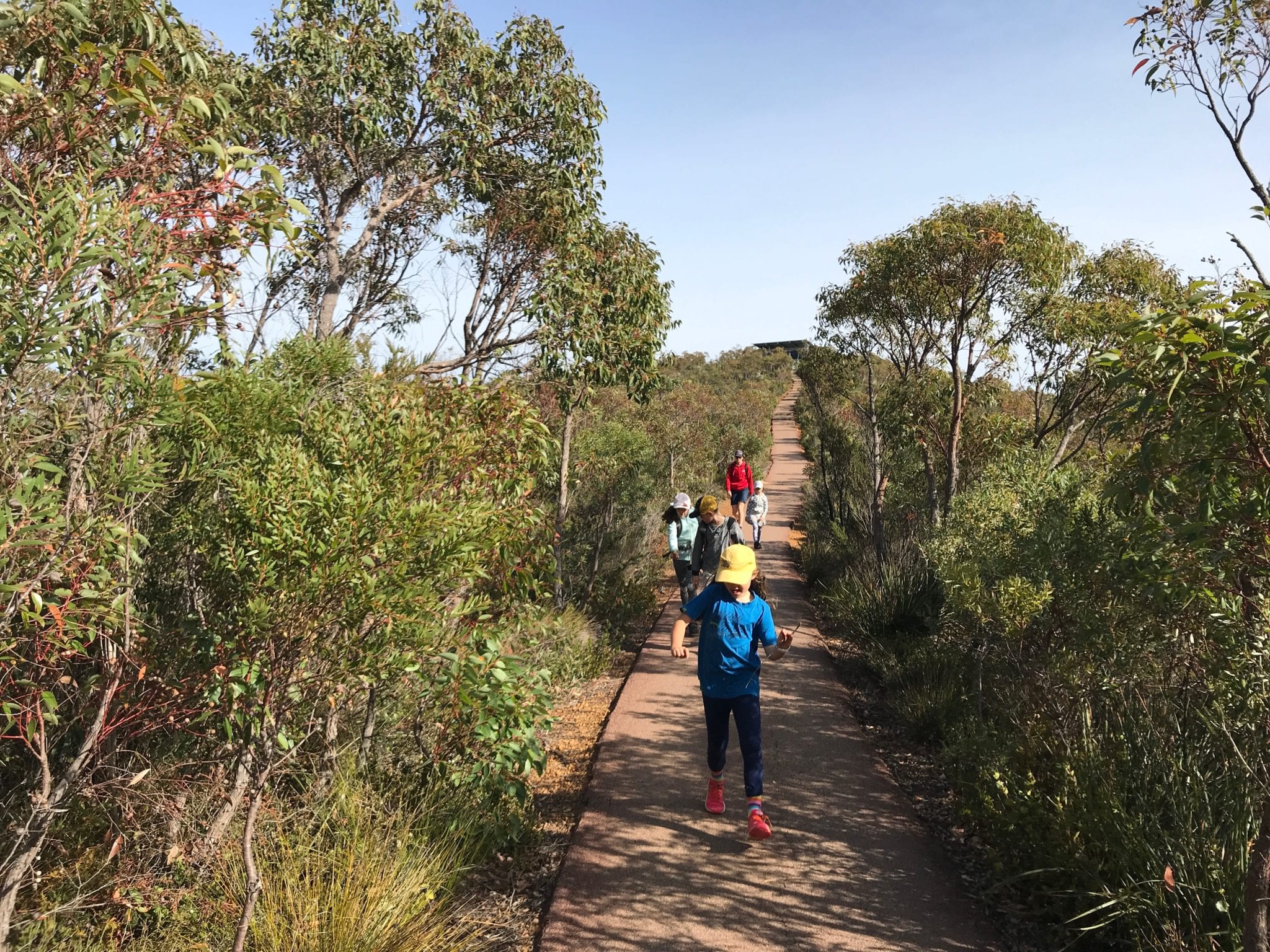
From the car park, the trail begins gently on a wide, sealed path that heads towards the mountain. Early on, you can ease the kids into the hike with simple games – we set up a mini scavenger hunt, asking them to find things like a brown leaf, a stick with two forks, a bottlebrush flower or a butterfly. This helped keep spirits high before the gradient kicked in. The path then becomes a dirt track and starts to climb more steeply. At certain times of the year you may cross small rocky watercourses which can leave you with wet feet, though it can be quite dry later in the season.
Before long you reach a long series of steps that feel endless on the legs and knees, especially on the way back down. After the steps, the walk becomes more rugged.

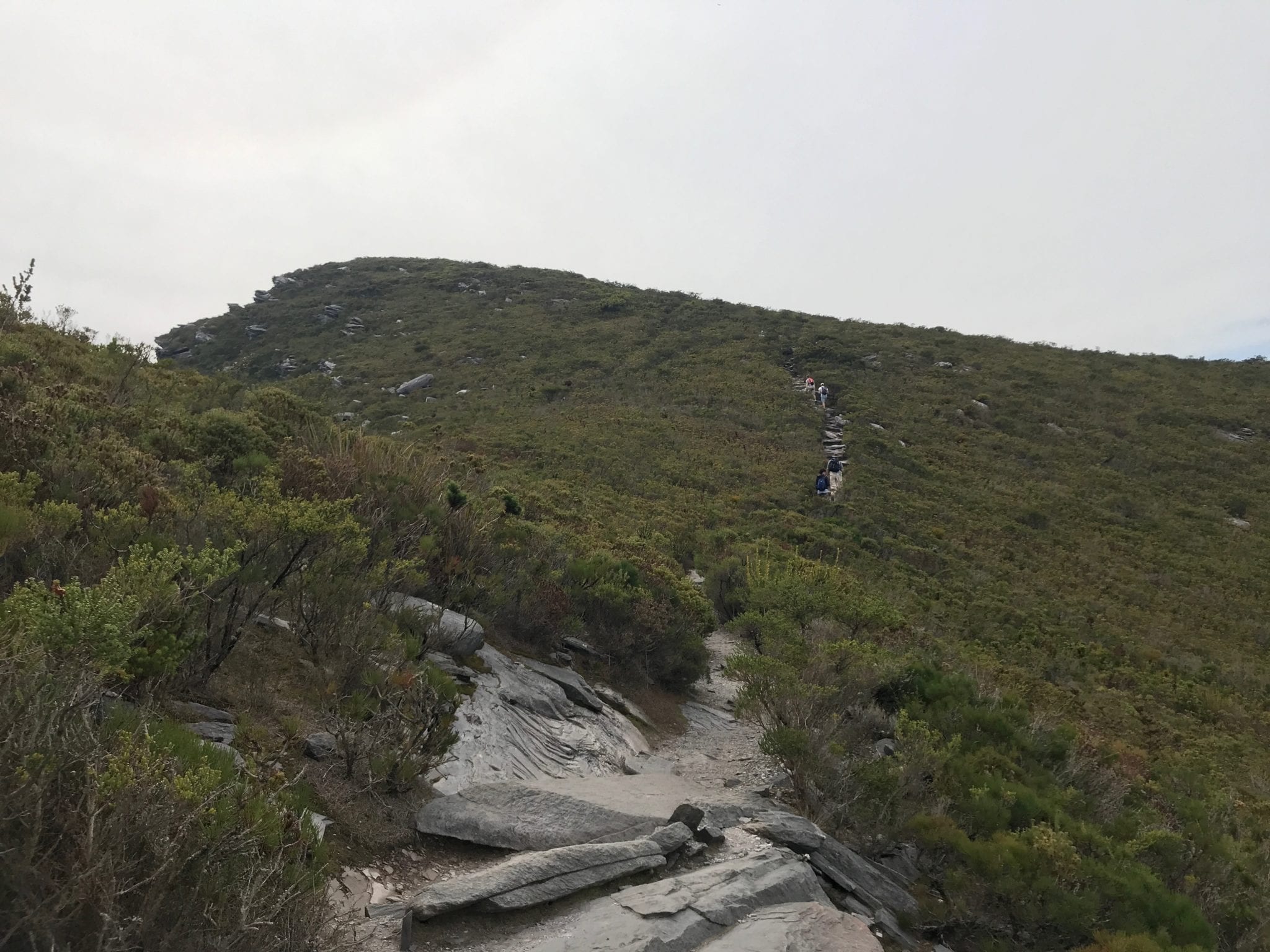
The middle section is one of the most demanding, with uneven, rocky ground and loose stones underfoot where it’s easy to twist an ankle if you’re not watching where you step. This is a good time to slow the kids down, encourage them to use hands and feet where needed, and take regular short breaks for water and snacks.
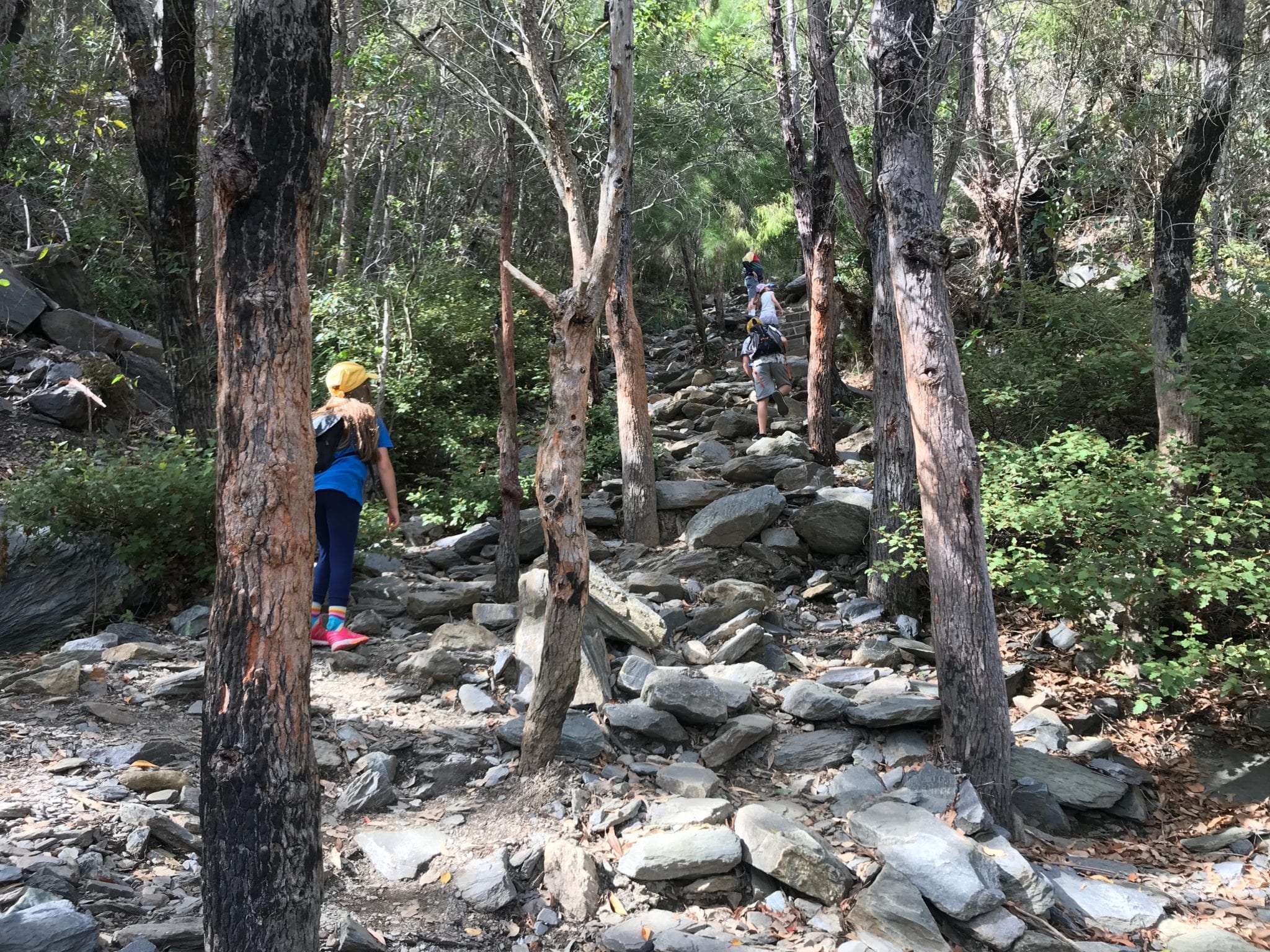
The landscape changes as you climb. Lower slopes are covered by eucalypt woodland, banksia and grass trees, which gradually give way to more open, rocky sections with impressive views across the Stirling Range and surrounding plains. Distance markers along the trail are a big help with kids who constantly ask “Are we nearly there yet?” – they let you measure progress and decide when to push on or call it a day. We stopped often to catch our breath, admire wildflowers and fungi, and soak in those ever‑expanding views.

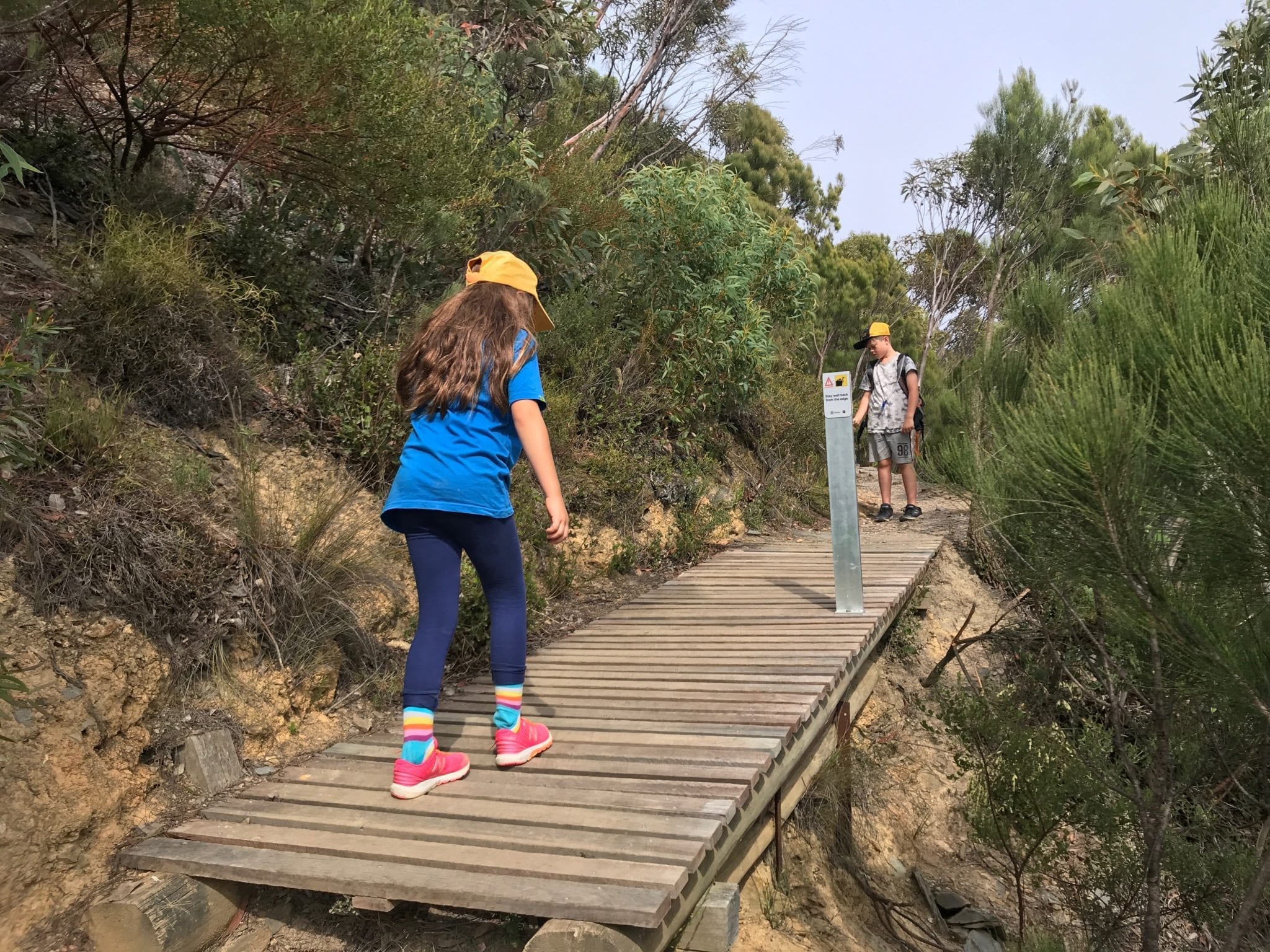
Closer to the top, the path narrows and in places runs beside steep drop‑offs. The exposure here can feel daunting, especially for children or adults who are uncomfortable with heights.

It was at this point, only about a kilometre from the summit, that the reality of the height and the sheer drop triggered vertigo for our nine‑year‑old, and he understandably didn’t want to go any further. We turned this into a learning moment about listening to your body and respecting your limits; my husband headed back down with him while I continued carefully with our younger child and friends. If you have a mixed‑confidence group, it can help to discuss in advance what you’ll do if someone needs to turn back.
Once you round the higher ridges, the views open up dramatically and the terrain softens a little, with sweeping vistas of green fields and distant peaks. The kids got a second wind here, helped by the promise that we were “very nearly there” at every marker.
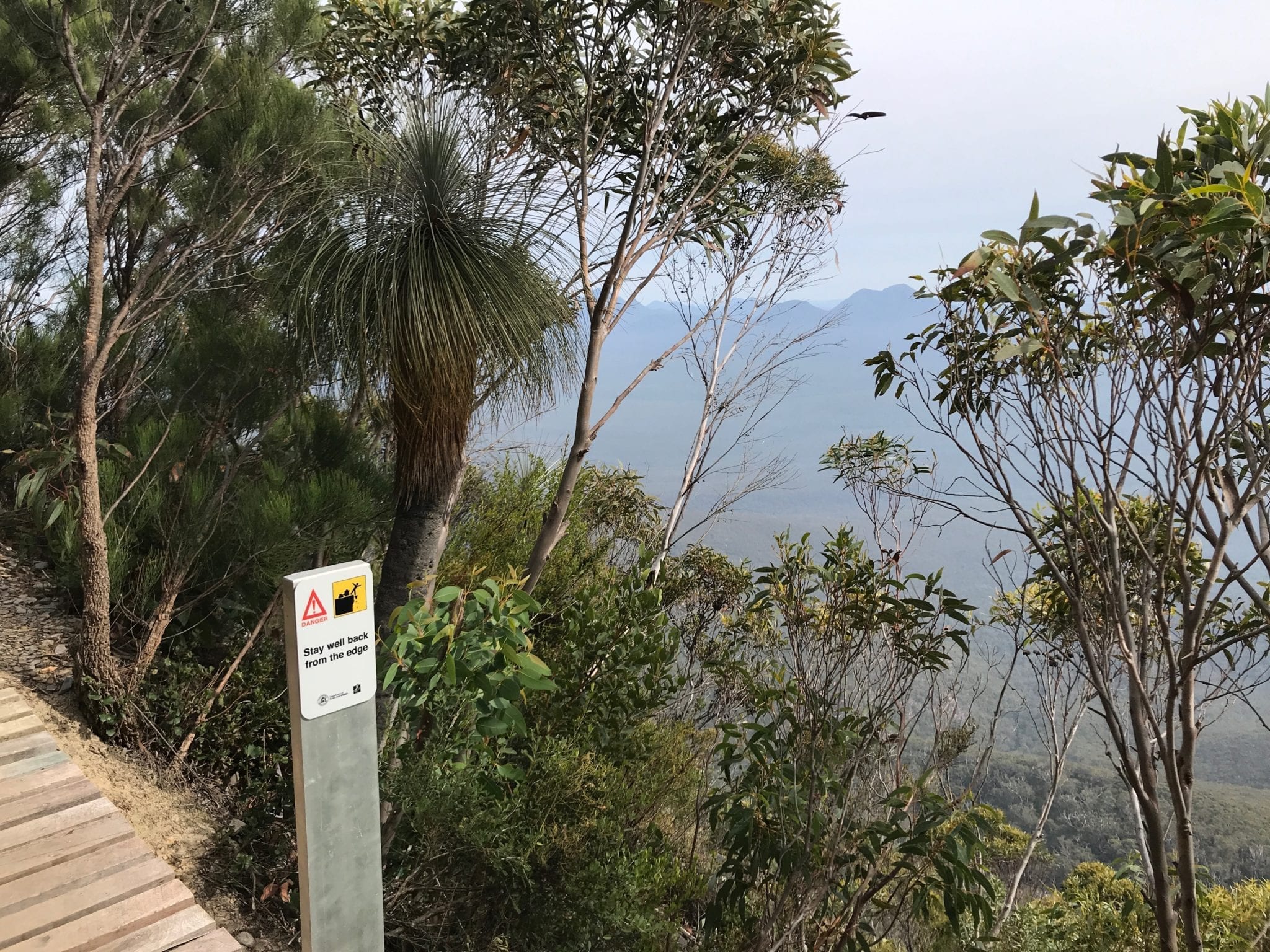
Eventually you reach the Bluff Knoll summit, where the temperature drops noticeably and it can be significantly windier than at the car park below. We were grateful for our extra layers as we sat down to enjoy lunch and celebrate the achievement. On our visit, low cloud drifted across the summit, much to the kids’ delight – it’s not every day children get to say they’ve stood inside a cloud.

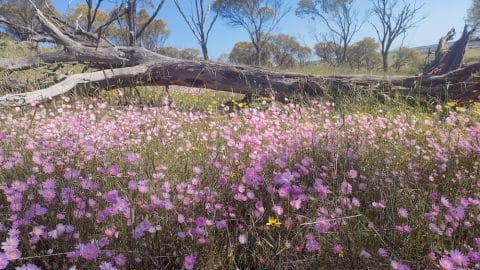
In winter, Bluff Knoll’s height and coastal location mean it very occasionally receives a dusting of snow, which has become something of a social media sensation and can lead to very busy days on the mountain. If you’re planning a snow‑chasing mission, be prepared for crowds, cold, potentially slippery conditions and the possibility that weather or safety alerts may close parts of the park. In spring and early summer, the Stirling Range is famous for its wildflowers and birdlife, making it a rewarding time for families who love nature as much as the climb itself.

The descent from Bluff Knoll is less aerobic but can be tougher on knees, hips and ankles. Those long stair sections in particular are demanding on joints, and sections of the trail can be steep and slippery, especially after rain. Take your time going down, encourage the kids to place their feet carefully, and don’t feel rushed by faster walkers behind you – it’s fine to step aside and let others pass. I had sore knees for a couple of days afterwards, but it was a small price to pay for the experience and the sense of achievement our seven‑year‑old felt at reaching the top.
Facilities near the trailhead make Bluff Knoll a manageable day out if you plan well. The car park has toilets, picnic tables and shelter, so you can fuel up before or after your hike, and there are several other lookouts and picnic spots throughout Stirling Range National Park if you want to make a full day or weekend of it. There are also campgrounds in the wider park and nearby accommodation at places such as Stirling Range Retreat and Mount Trio Bush Camping and Caravan Park, which can make early starts and flexible weather‑dependent plans easier for families.
Bluff Knoll is a serious mountain walk, but for families with older primary‑aged kids or teens who are up for a challenge, it can be an unforgettable adventure. With good preparation, plenty of snacks, layers for all seasons in one day and a flexible, safety‑first attitude, this hike is an incredible way to build resilience, share time together and enjoy some of Western Australia’s most dramatic scenery.

Bluff Knoll, Stirling Range National Park
Address: Bluff Knoll Road, via Chester Pass Road, Stirling Range National Park, Western Australia
Opening hours: National park access generally during daylight hours; check current park alerts and any seasonal or weather‑related closures via Stirling Range National Park – Explore Parks WA before you go.
Official website: Bluff Knoll – Explore Parks WA
Find more places to visit in Albany and Denmark
- About the Author
- Latest Posts

Lorraine is co-owner of Buggybuddys and is a mother to Blake (15) and Lollie (12).