
Around 20 minutes’ drive from Albany, Albany’s Historic Whaling Station at Discovery Bay (formerly known as Whale World) is a brilliant full‑day family outing. Set on a stunning coastal site overlooking the bay, this unique attraction brings to life the story of Australia’s last operating whaling station. Your ticket includes entry to three experiences in one – the Historic Whaling Station, the Australian Wildlife Park and the Regional Wildflower Garden – so it’s easy to spend several hours here with the kids.


The best place to start with little ones is the Playground area near the main entrance. Overlooking the water and the Cheynes IV whalechaser ship, this space is a big hit before you’ve even made it into the buildings. There’s a huge whale‑shaped slide and swings for bigger kids, plus a large squid‑themed sandpit with rockers that’s perfect for toddlers and preschoolers. Shaded picnic shelters and free BBQs make this an ideal spot for a relaxed morning tea or lunch if you’ve brought your own food, and it’s a good base to circle back to if younger children need a break from the more intense whaling exhibits.





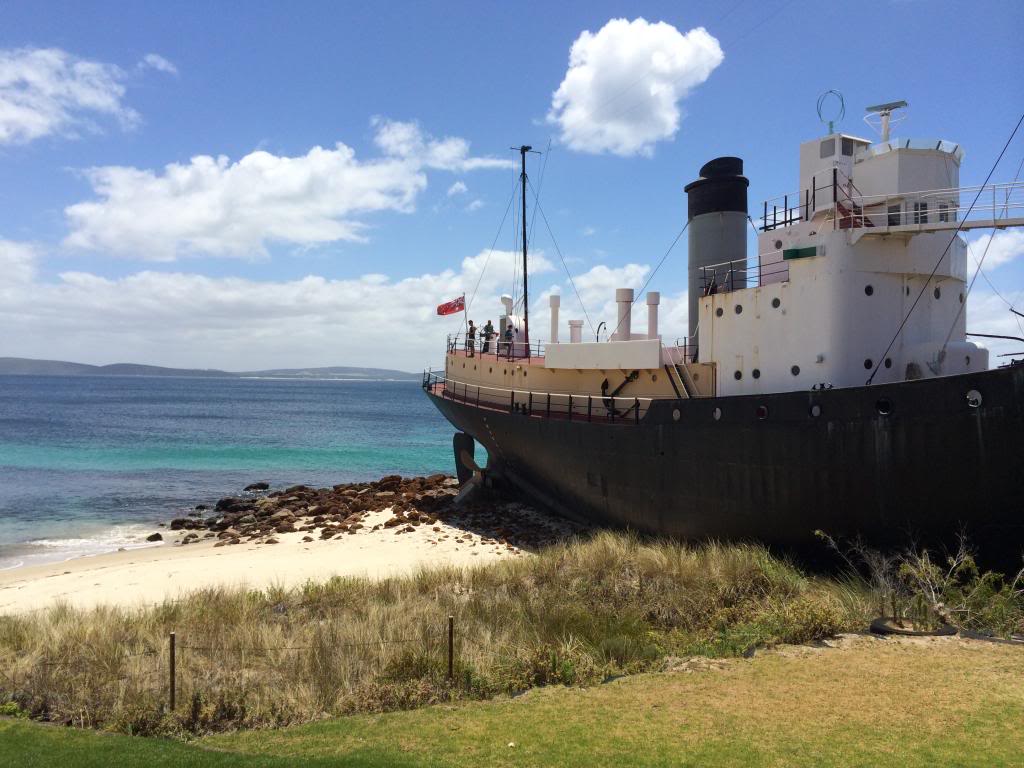
From the Playground, families can head aboard the Cheynes IV, Australia’s last operational whalechaser ship, now fully restored for visitors to explore. Children love roaming through the cabins and peeking into the captain’s quarters, imagining life at sea. Do be aware that there are lots of very steep ladders and narrow stairways, which makes the ship better suited to confident walkers, roughly four years and up. It is not accessible for prams or wheelchairs, and babies are easier to manage in a carrier rather than trying to negotiate the ladders with them in your arms.


Back on shore, you move into the heart of the industrial site where whales were once processed. The size of the old machinery, winches and flensing areas is fascinating for kids who like big, “real” machines, but can be confronting if you are sensitive.
There is plenty of space for children to wander around the open areas, climb into old rowboats and climb up to lookouts with sweeping views over the bay. The site has been carefully interpreted with information panels and restored equipment so you can see exactly how the station operated when it was in full swing.
One of the highlights for many families is the series of immersive films shown inside the old oil silos. These have been transformed into small cinemas, with 3D films and a hologram experience that explain whale biology, whaling history and modern conservation efforts.
The world’s first fully animated 3D film on whales, “Giants Exist”, is especially popular with children; it’s short, visually engaging and a fun introduction to these amazing animals. Younger kids may find the 3D glasses a bit tricky and might prefer to watch without them, which is fine as the story still makes sense.
The marine skeleton display is truly spectacular. Inside the museum building you’ll find enormous skeletons of whales and other marine mammals, arranged so you can walk underneath and around them. Standing beneath one of the huge jawbones is a “wow” moment for kids and adults alike, and it really helps children grasp just how big these animals are.
There are also many smaller exhibits and gallery spaces to dip in and out of, including the old whaling station rooms, the panorama tower gallery, art and photographic exhibitions and several more screening rooms.


Parents should be prepared that some displays and historic images are graphic, reflecting the reality that this was once a working whaling station where animals were killed and processed. The venue does a good job of presenting this in context, but sensitive children may find some photos or descriptions upsetting.
It’s very easy to step into a room, have a quick look and step straight back out again if something feels too much. Many families use the visit as a chance to talk about why whaling happened in the past, how it affected whale populations, and why Australia no longer hunts whales today.
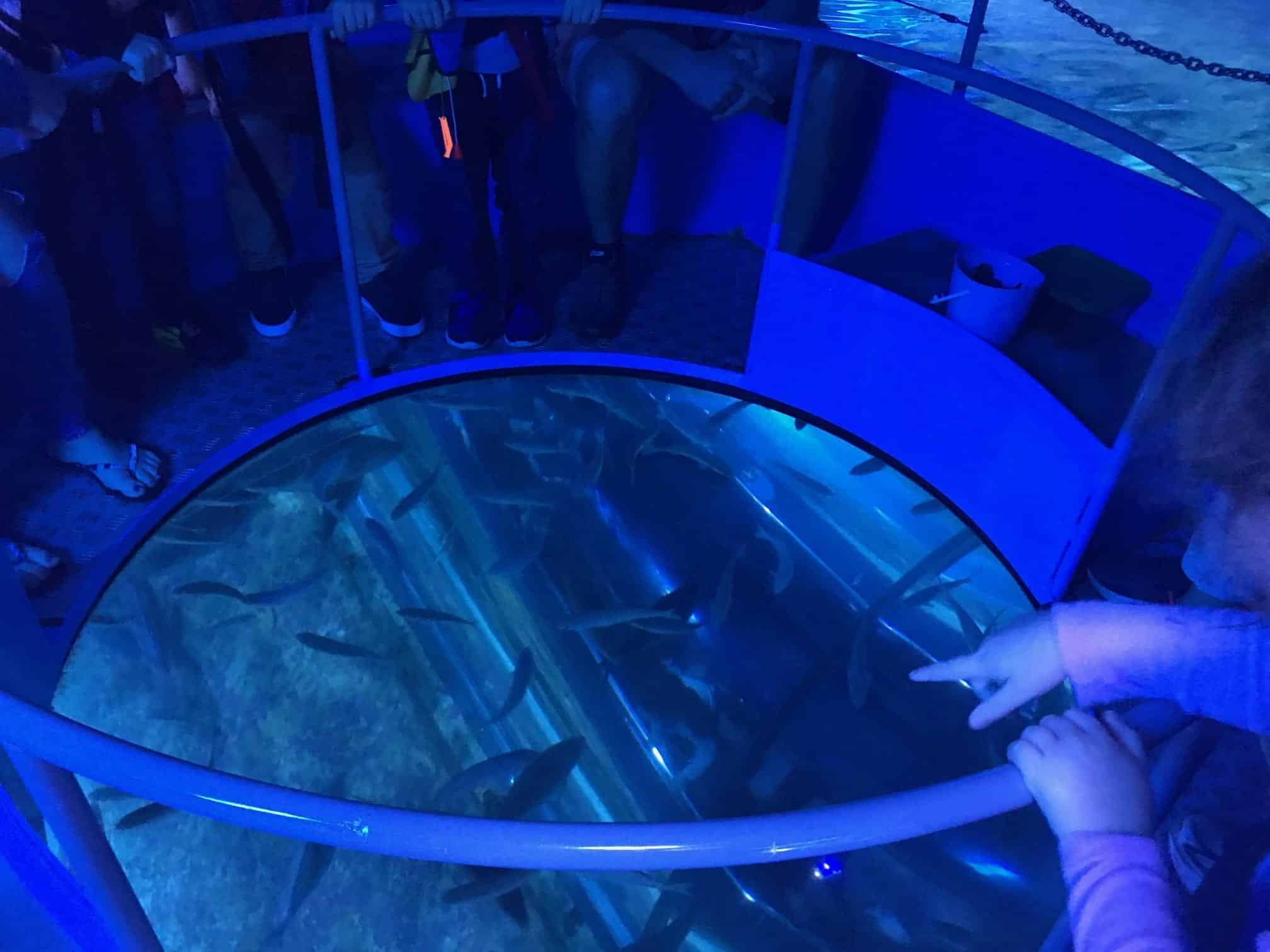
Entry tickets also include access to the Australian Wildlife Park within the same precinct, which is a lovely change of pace after the heavier whaling history. The wildlife park is home to friendly white kangaroos, wombats, possums, bandicoots and a variety of other native animals.


While some animals live in dedicated enclosures, others roam more freely within the park area, which makes for lovely, often up‑close encounters. Kids usually fall in love with the gentle white kangaroos, which are incredibly soft to the touch. Wildlife encounters here are relaxed and low‑key, and are especially good for younger children who might not be as interested in all of the whaling exhibits.

The third element of your ticket is the Regional Wildflower Garden, a beautifully landscaped area showcasing thousands of native Western Australian plants. In spring, the gardens put on a colourful display of wildflowers, but it’s a pleasant, peaceful walk at any time of year. Boardwalks and paths have been designed to be accessible for prams and wheelchairs, and there are wetland areas and lookouts where you can pause and enjoy the birdlife and views. It’s another great spot to slow the pace if the kids need some downtime between more structured activities.
Facilities on site are set up with families in mind. There are toilets, baby change facilities and a café where you can grab coffee, snacks or a light meal, as well as a gift shop stocked with locally themed souvenirs, books and toys. The attraction is open from 9am to 5pm every day, and staff recommend allowing at least three hours to take in the whaling station, wildlife park and gardens; many families choose to spend most of the day. If little legs run out of steam or you want to spread the visit over more time, ask staff about options for extending your entry to return the following day, as this can sometimes be arranged under certain conditions.
For families visiting Albany or the Great Southern region, Albany’s Historic Whaling Station at Discovery Bay is a must‑see. It’s educational, hands‑on and at times emotional, but balanced with plenty of child‑friendly spaces, animals and outdoor play. You’ll leave with a much deeper understanding of the area’s history and a new appreciation for the whales that now migrate safely past the coast each year. For current admission prices, tour times, accessibility information and any special events, visit Albany’s Historic Whaling Station.