

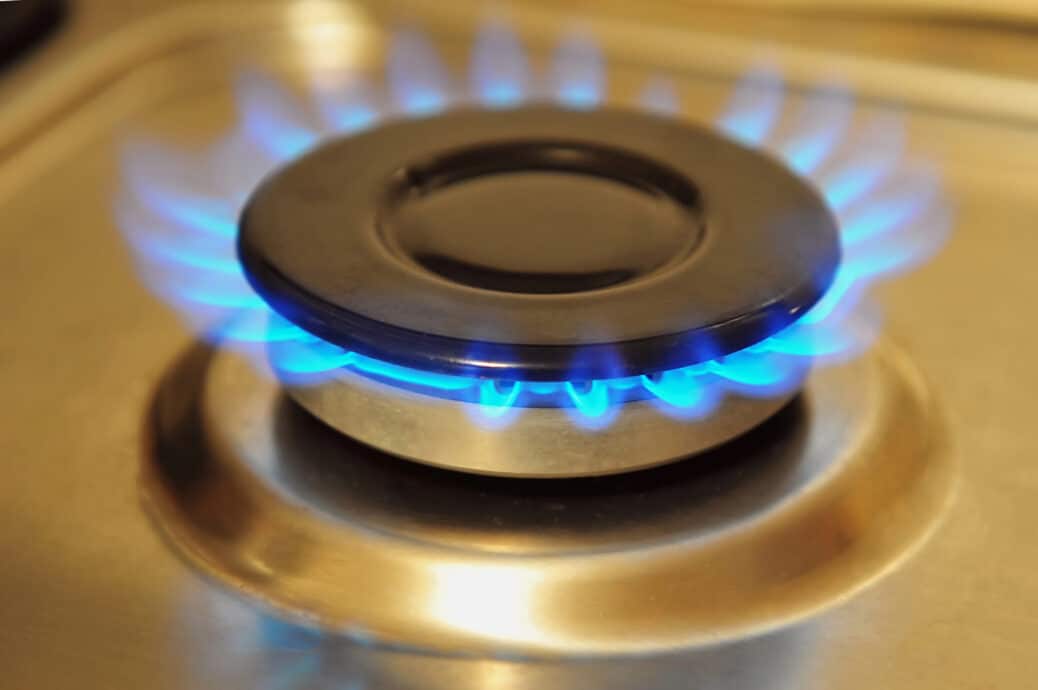
Escaping natural gas or LPG can create a fire or explosion hazard, while prolonged exposure can also affect your health. Knowing how to respond quickly can help protect your family, reduce the risk of injury, and allow emergency services to manage the situation safely.
Fortunately, most gas leak emergencies can be handled safely when homeowners recognise the warning signs and follow the advice provided by Australian safety authorities. This guide explains how to identify a suspected gas leak, what to do immediately, and why a licensed gas fitter should inspect your gas installation before it is used again.
What Causes Gas Leaks at Home?
While modern gas installations are designed to operate safely for many years, ageing components, accidental damage, and poor maintenance can still lead to gas leaks. Some of the most common causes include:
→ Ageing gas appliances with worn internal components.
→ Incorrect installation or unauthorised repairs.
→ Damage during renovations, landscaping, or excavation.
→ Storm, flood, bushfire, or impact damage affecting gas services
Australian utility providers also warn that excavation is one of the leading causes of damage to underground gas infrastructure. Even routine projects such as installing fences, retaining walls, or new gardens can accidentally strike underground services if their location has not been identified beforehand. If you suspect a gas leak, the following steps can help you protect your household while you wait for emergency services.
Avoid Anything That Could Ignite the Gas
Do not smoke, light matches or candles, use cigarette lighters, operate garage door openers, touch electrical switches, or plug in or unplug appliances, as any of these actions could create a spark and ignite the gas. If lights are already on, leave them on. If they are off, leave them off. Avoid touching electrical equipment altogether while leaving the property.
Taking these precautions helps minimise the risk of ignition while emergency plumber and gasfitter assess the situation.
Leave the Property Immediately
Ask everyone to leave the building straight away. Help children, elderly family members, visitors, and pets evacuate, then move to a safe location away from the property. If anyone experiences dizziness, nausea, difficulty breathing, or feels unwell, seek medical assistance as soon as you are in a safe place.
Leave doors open as you exit to help disperse any accumulated gas. Do not delay your evacuation by collecting personal belongings or trying to find the source of the leak. Getting everyone outside safely should always be your first priority.
Shut Off the Gas Supply Only if It Is Safe
If you know where the gas isolation valve is located and you can safely access it without delaying your evacuation, turn off the gas supply. Isolating the supply can stop additional gas from entering the property while emergency services are on their way. Leave the property immediately and allow trained personnel to manage the situation.
Contact Emergency Services
Once everyone has reached a safe location, call emergency services immediately if there is a fire, explosion, injury, or an immediate threat to life. You should also contact your local gas distributor’s emergency number so qualified personnel can isolate the gas supply and inspect the network if required.
Remain outside until emergency responders advise it is safe to return. Even if the smell of gas appears to have disappeared, the property should not be re-entered until the gas installation has been assessed.
Mistakes to Avoid During a Gas Leak Emergency
Many gas-related incidents become more dangerous because homeowners take actions that unintentionally increase the risk of ignition. Understanding what not to do is just as important as knowing the correct emergency response.
→ Do not attempt to locate the source of the leak yourself.
→ Never repair gas appliances, fittings, valves, or pipework without the required licence.
→ Do not restart or test gas appliances after a suspected leak.
→ Stay out of the property until emergency responders confirm it is safe.
→ Never assume the danger has passed simply because you can no longer smell gas.
A licensed gas fitter uses specialised testing equipment to confirm the leak has been repaired and the entire installation is safe before gas appliances are used again. Waiting for professional clearance helps protect your household from hidden hazards that may not be immediately obvious.
As the emergency plumbers at Sunshine Coast Plumbing and Hot Water explain, “Gas leaks are a serious safety hazard that require immediate attention.” Their licensed plumbers and certified gas fitters recommend evacuating the property, avoiding electrical devices, and arranging professional gas leak detection and repairs before the system is used again. Reference: https://sunshinecoastplumbingandhotwater.com.au/services/gas-leak-repairs/
Protect Your Household With the Right Response
Recognising the warning signs, leaving the property immediately, avoiding anything that could ignite the gas, and contacting emergency services are the safest actions you can take. A licensed gas fitter should inspect the entire installation, carry out the necessary testing, and confirm that your gas appliances and pipework are safe before the supply is restored. Preparing for a gas emergency before a leak happens gives you the confidence to respond calmly and helps protect your family, your home, and your community.
- About the Author
- Latest Posts