

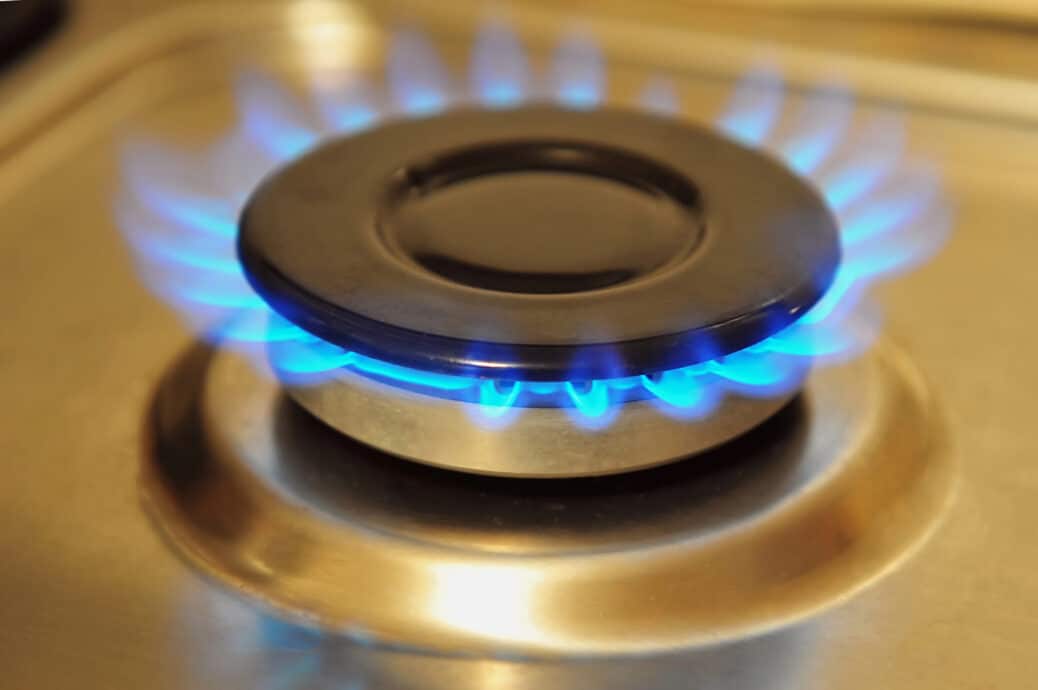
If your kitchen smells strange, check it before using the stove again.
Gas appliances make daily life more comfortable, especially during colder months and busy family routines. Hot water systems, heaters, and cooktops all rely on safe gas flow to work properly. But when a leak develops, even a small one can create safety risks inside your home.
Leaks develop gradually around ageing connections, underground pipes, or older appliances. Strange smells, headaches, weak appliance performance, or rising gas bills can all point to a gas leak starting somewhere in the home. Spotting the warning signs early helps reduce the chance of property damage, health concerns, or emergency repairs.
How Gas Appliances Connect to Your Home
Gas appliances connect to the home through a pipe network that carries gas from the meter to each appliance. The main meter usually sits outside, then gas lines branch off to supply the cooktop, heater, hot water system, or other gas-powered units. Knowing this basic setup makes it easier to understand where leaks can start.
Common connection points include:
- Main gas meter outside the home
- Rigid pipes leading to fixed appliances
- Flexible hoses behind cooktops
- Appliance fittings and joints
- Manual shut-off valves near each appliance
A leak can happen when pipework corrodes, a seal breaks down, or a connection becomes loose. If a gas smell appears near one appliance, the shut-off valve can help isolate the area until a professional tradie inspects it. Knowing these 7 warning signs can help you respond faster before a gas issue turns into a serious household safety risk.
1. Sulfur or Rotten Egg Smells Indoors
Natural gas is normally odourless, so a chemical called mercaptan is added to make leaks easier to notice. If that smell appears near a gas appliance, gas is escaping from a connection, hose, valve, or pipe.
Warning sign matters when:
- Smell is strongest near one appliance
- Odour comes and goes during the day
- Smell appears after using gas
If this happens, avoid brushing it off as rubbish, drains, or leftover food smells. Open nearby windows for ventilation, and keep people away from the suspected area.
2. Hissing Noises Around the Gas Meter
This happens when gas escapes through a loose fitting, cracked pipe, damaged valve, or split hose. The hissing sound comes from pressurised gas forcing its way through a small opening. If the noise continues after the appliance has been turned off, the leak is coming from the supply line instead of the appliance itself.
A hissing noise near the gas meter should be treated as urgent. Do not lean closer to inspect it, touch the fitting, or try to tighten anything yourself.
3. Bubbles Forming on Pipe Joints
Outdoor gas leaks can become visible when gas pushes through soap, or damp soil. On exposed pipework, this can show up as foam or bubbles around a leaking joint or fitting.
Indicators that the bubbles are linked to escaping gas include:
- Soap bubbles keep growing around one pipe joint
- Wet patch moves even without drainage flow
- One damp area near the gas line keeps fizzing from the same spot
Avoid testing the area repeatedly and keep sparks, and open flames far from the leak point.
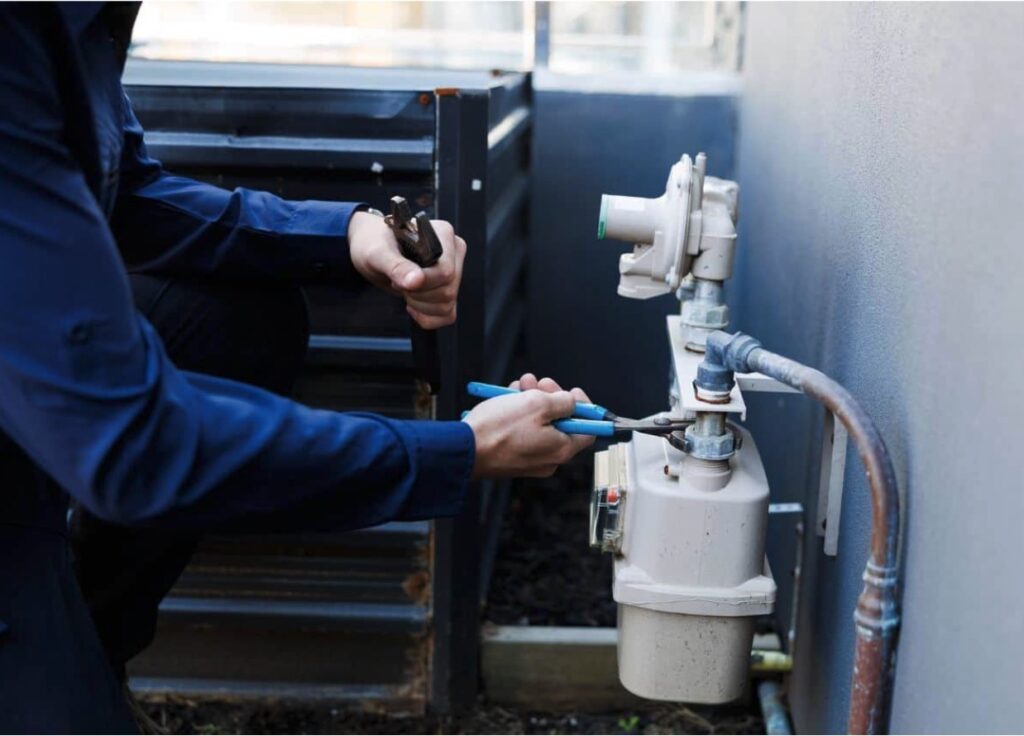
Residential gas leak inspection and safety check by S&J Plumbing and Gas Brisbane.
4. Sudden Plant Damage
If indoor potted plants or a patch of lawn above an underground gas line suddenly turns yellow and dies for no clear reason, a hidden leak could be the cause. When gas reaches the soil, roots struggle to absorb the oxygen and nutrients they need. If a dead patch of grass forms in a straight line across the yard, it can follow the path of buried utility pipes.
5. Foggy Windows
Condensation on windows becomes a concern when it appears repeatedly around gas appliances. Gas escaping into poor ventilated areas changes moisture levels in the air and can leave windows foggy.
Common indicators include:
- Thick fog near heaters or cooktops
- Moisture collecting on glass without weather changes
- Water droplets returning every time the appliance runs
- Damp air building up in enclosed rooms
Ventilate the room properly and avoid using the appliance continuously until the issue has been identified.
6. Gas Burners Producing Yellow Flames
If burners on the stove start turning orange or yellow, the appliance is no longer burning gas cleanly. Sputtering flames can point to ventilation problems, burner blockages, or gas system issues that affect indoor air safety.
Common indicators include:
- Uneven flames across burners
- Sputtering sounds from the cooktop
- Flames that appear unstable or noisy
Poor combustion wastes fuel and affects air quality inside the home. Keep burners clean and pay attention to ongoing flame colour changes around gas appliances.
7. Unusual Charges on Your Monthly Bill
If usage jumps suddenly and the household has not changed heating, cooking, or hot water habits, gas could be escaping from the system instead of reaching the appliances. To check if the bill increases points to more than normal household use, look at the patterns behind the numbers:
- Compare current usage with the same season last year
- Check the gas meter if it still moves when appliances are off
- Monitor how frequently the hot water system cycles on
- Pay attention to heaters running longer than usual
These checks help separate normal household changes from a possible gas system fault. If the numbers and appliance behaviour do not line up, treat the bill spike as a warning sign that needs closer attention.
Gas Leak Warning Signs Need Immediate Attention
The biggest lesson for homeowners is to trust the signs before they turn into something bigger. A gas leak does not always look dramatic at first, and the first clue might be a smell, a sound, a sick feeling indoors, or a sudden change in how an appliance behaves. These warning signs help you act sooner and keep your home and family safe. Knowing what to look for helps you respond with more confidence instead of treating a serious gas issue like a normal household inconvenience.
- About the Author
- Latest Posts