
Owning a home comes with a long list of chores, but the pipes hidden behind your walls are easy to forget until they cause a massive headache. Kitchen sinks deal with grease and food scraps, bathroom drains collect hair and soap buildup, and toilets carry waste through the main line.
When drains start struggling, your home gives small clues before the problem turns into a full blockage. Most homeowners wait until water is flooding the bathroom floor before taking action, but being proactive can save a lot of money and stress.
Knowing the signs helps you act before the blockage becomes harder to clear. This guide explains the common warning signs that your drains may need professional cleaning.
Why Preventive Drain Cleaning Saves Homeowners Trouble
Most plumbing emergencies happen at the worst times, like during a holiday dinner or in the middle of the night. That usually means higher call-out fees, more stress, and a mess no homeowner wants to deal with. Once a blocked drain turns into an urgent problem, Brisbane homeowners may end up paying rates like these:
| Plumbing Situation | Typical Brisbane Market Cost Range |
| Burst pipe repairs | $1,000–$5,000+ |
| After-hours emergency plumbing call-out | $300–$600+ |
| Weekend or public holiday emergency visit | $400–$800+ |
| Mould treatment and cleanup | $500–$6,000+ |
| Water damage repairs to walls or cabinets | $2,000–$10,000+ |
*Estimated Brisbane market ranges. Actual pricing varies depending on access, severity, timing, and repair scope.
Booking maintenance during normal hours also helps homeowners avoid after-hours, weekend, or public holiday rates. In the long run, preventive drain cleaning gives you more control over the cost instead of paying panic prices when the drain fully blocks. Pay attention to these 10 signs that your drains may need immediate cleaning before the blockage gets worse.
#1 Multiple Drains Start Slowing Down
When several drains around your home start slowing down, the problem may sit deeper in the main line. Everyday waste can stick to the pipe walls and make the drain opening smaller. During heavy use, like laundry day or morning bathroom routines, water may start draining much slower than usual.
#2 Drain Keeps Backing Up
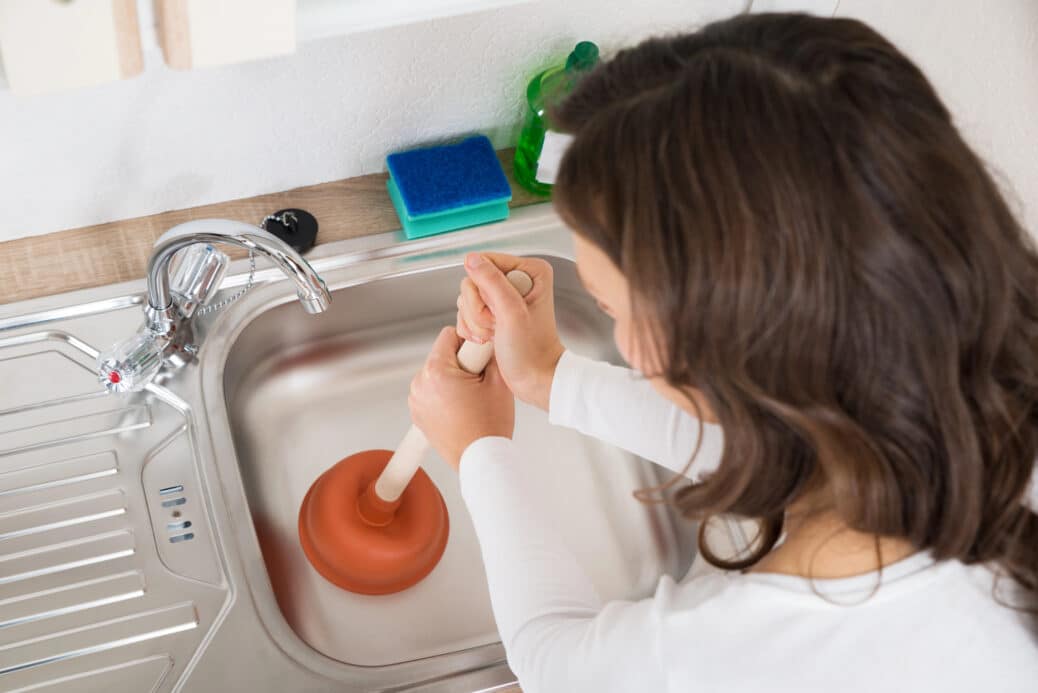
If the same toilet or sink keeps backing up, a plunger is only giving you a short break from the problem. It may push enough of the blockage aside for water to move again, but the main buildup can still be stuck inside the pipe. A proper drain clean clears more of the buildup inside the line, so water has a better path to move through.
#3 Pipes Make Bubbling Noises
Your plumbing should be relatively quiet when it is working correctly. If you hear glugging, bubbling, or sucking sounds coming from your sinks after you flush the toilet, there is a blockage nearby. This noise happens because air is trapped in the pipes and is struggling to vent out properly. When water hits a wall of gunk, the air has to burp backward, which creates those strange sounds you hear behind the walls.
#4 Unpleasant and Persistent Odours
If a drain keeps smelling bad, waste and buildup inside the pipe may be starting to break down and rot. That trapped material can send unpleasant smells back into the kitchen, bathroom, or laundry. You may notice it more after using hot water, or opening a nearby drain. Scented products may hide the smell for a short time, but proper drain cleaning removes the buildup causing it.
#5 Toilet Bowl Water Fluctuates
If you notice the water rising and falling on its own, or if the level is much lower than usual, your system has a pressure imbalance. This is often caused by a clog further down the main line that is messing with the airflow.
Brisbane Drain Cleaning Plumber warn that changing toilet water levels can signal pressure problems in the line. “Inconsistent water levels are one of the warning signs we look for when a blockage starts building deeper in the drainage system.”
#6 Small Bugs Come From the Drain
Flies hanging around your drains are a major red flag for your home’s cleanliness. These pests breed in the slimy grime that coats the inside of dirty pipes. If you see them, it means there is enough organic waste inside your drains to support a whole colony of insects. Cleaning the pipes is the only way to get rid of their home and stop them from coming back.
#7 Wastewater Pools Around Fixtures
Dark, smelly water coming up through a floor drain, shower, or bathtub is one of the most urgent warning signs for homeowners. A fully blocked drain can force wastewater back into the house instead of letting it flow away properly. The mess can damage flooring, contaminate surfaces, and create a health risk for everyone at home. Stop using taps, toilets, showers, and appliances, then call a licensed tradie for professional drain cleaning right away.
#8 Wet Patches Keep Showing Up in the Yard
If you see a patch of grass that is much greener or grows faster than the rest of the lawn, your underground pipes might be leaking. Tree roots love the water found in sewer lines and will grow into tiny cracks to get to it. This creates a massive blockage under the soil that can eventually cause your entire home’s drainage to fail.
#9 Old Drain Lines Keep Causing Problems
Older properties can have drain lines that are already under stress from age, soil movement, and daily use. Clay pipes may slowly crack, sag, or collapse over time. Even careful habits cannot stop old materials from wearing down. If your home has older plumbing, repeated slow drains, bad smells, or backups may be a sign that the system is reaching its limit.
#10 Fixtures Back Up at the Same Time
If your shower gurgles when the washing machine drains, or your toilet bubbles when you run the bathroom sink, the blockage may sit in the main drain line. The shared exit path for the home may be restricted, which can cause multiple fixtures to react at the same time. Homeowners should treat this as a warning that the whole drainage system may be under pressure, not just one fixture acting up.
Is Your Home Showing Signs of a Drain Problem?
If your drains are starting to act differently, your daily habits can help stop the problem from getting worse. Scrape food scraps into the bin, use strainers in sinks and showers, keep cooking oil out of the drain, and avoid flushing anything apart from toilet paper. Outdoor drains also need checking after heavy rain, especially if leaves, soil, or garden debris collect around grates. Regular care keeps the drainage system cleaner and gives your home a better chance of avoiding sudden backups.
- About the Author
- Latest Posts