

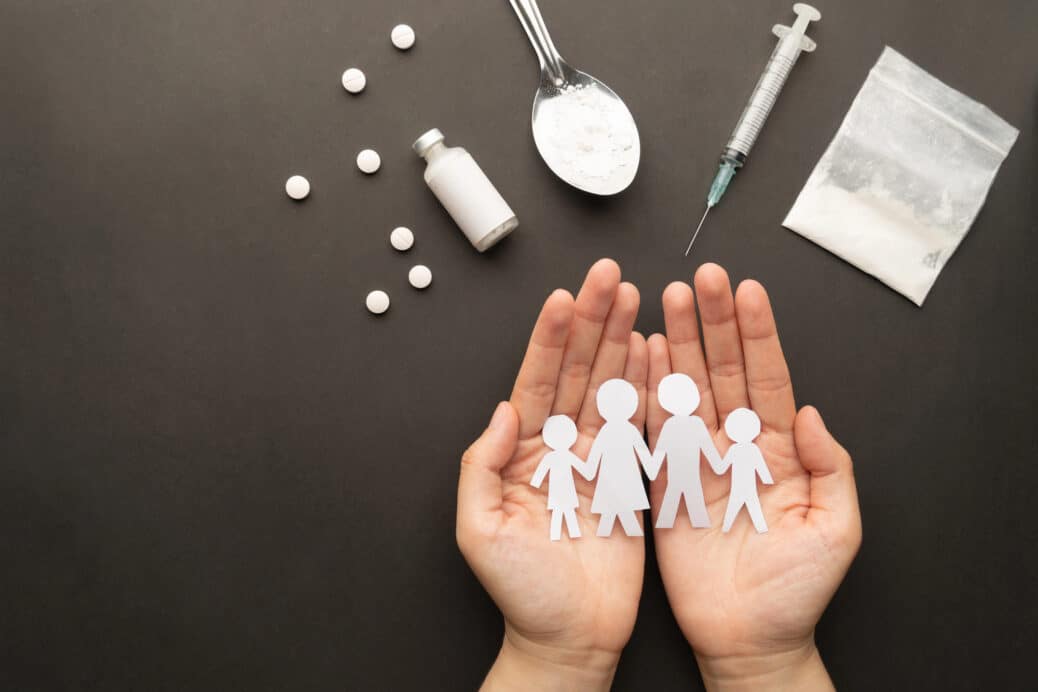
When people talk about recovery, the focus often falls on the individual seeking treatment. While personal commitment is certainly important, recovery frequently extends beyond one person and influences the wider family network as well.
Parents, partners, siblings, children and close friends can all be affected when someone experiences challenges related to substance use. Relationships may become strained, communication can break down, and family routines often change as loved ones attempt to provide support while managing their own concerns.
As understanding of addiction has evolved, professionals have increasingly recognised that successful recovery often involves rebuilding connections, strengthening support systems and creating healthier environments for everyone involved.
Support Networks Can Make a Meaningful Difference
Many experts believe that strong support networks can play an important role during recovery.
Family members often provide encouragement during difficult periods, help maintain accountability and offer emotional support throughout the treatment process. At the same time, recovery can present challenges for families themselves. Loved ones may need guidance, education and support as they navigate unfamiliar situations and learn how best to help.
This has led many treatment providers to place greater emphasis on family involvement, recognising that recovery outcomes can be influenced by the quality of support available both during and after treatment.
Rather than viewing recovery as an isolated experience, many modern programmes now acknowledge the wider social and family context surrounding each individual.
Treatment Programmes Increasingly Include Family Support
Over time, rehabilitation services have expanded beyond a narrow focus on detoxification and immediate treatment needs.
For many families, the search for answers eventually leads to professional support. Across the region, drug rehabilitation services on the Gold Coast have evolved to offer far more than detoxification alone, often bringing together residential care, counselling, therapeutic services and long-term recovery planning within a structured environment. This broader approach reflects growing recognition that sustainable recovery often involves more than addressing substance use alone. It may also include repairing relationships, improving communication and creating healthier family dynamics.
Communication Often Becomes a Key Focus
One of the most common challenges families face during recovery is communication.
Periods of addiction can create misunderstandings, conflict and emotional distance. Rebuilding trust may take time, and many families find that learning new ways to communicate becomes an important part of moving forward.
Counselling and therapeutic support can help individuals and families discuss difficult topics more openly while developing healthier patterns of interaction. These conversations are not always easy, but they can create opportunities for stronger relationships and greater understanding over time.
The process of rebuilding trust is rarely immediate, but many families find that consistent effort and professional guidance can help strengthen important relationships.
Recovery Is About Building Stability
For many people, recovery involves creating a more stable and balanced life.
This can include establishing healthy routines, improving physical wellbeing, developing coping strategies, managing stress more effectively and setting meaningful personal goals. Family support often plays an important role throughout this process because stability at home can help reinforce positive changes.
Children, partners and other relatives may also benefit when healthier routines and improved communication become part of everyday family life. As a result, recovery can create positive changes that extend well beyond the individual receiving treatment.
This wider impact is one reason why many professionals view recovery as a process that can strengthen entire family systems rather than simply addressing a single problem.
Relationship Experts Highlight the Importance of Connection
Family relationships remain an important factor in overall wellbeing.
According to Relationships Australia, healthy communication, supportive relationships and access to appropriate guidance can contribute positively to family wellbeing during periods of challenge and change. Strong interpersonal connections often help individuals feel supported while navigating difficult life circumstances.
This perspective aligns with the growing emphasis on holistic recovery approaches that recognise the importance of emotional support alongside professional treatment services.
Families Often Grow Alongside the Recovery Process
Recovery is frequently described as a journey because it unfolds over time rather than happening all at once. The same can be said for families.
As individuals work towards healthier futures, loved ones often experience their own learning process. Families may develop new communication skills, stronger boundaries, greater understanding and healthier ways of supporting one another.
While every situation is unique, many people discover that recovery creates opportunities for growth that extend beyond the individual receiving treatment. When families work together, seek appropriate support and remain committed to positive change, recovery can become a pathway towards stronger relationships, improved wellbeing and a more stable future for everyone involved.
- About the Author
- Latest Posts