

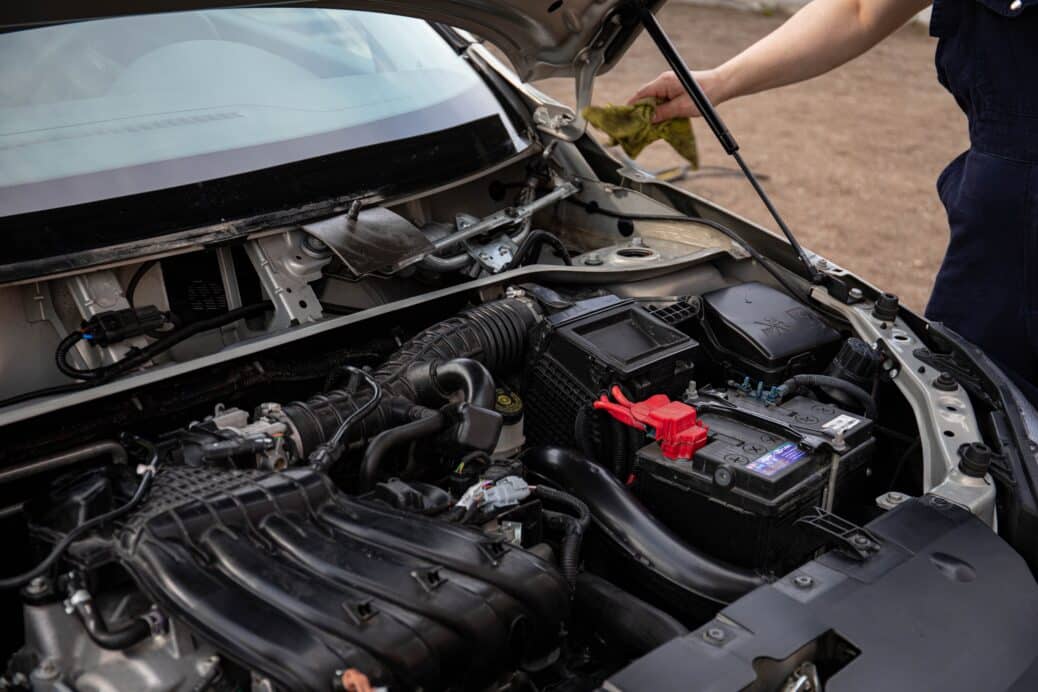
Eco-friendly batteries are a tricky category. A battery can be called “green,” yes, but that doesn’t always tell the full story.
For example, a car battery that lasts twice as long and gets recycled properly may have a much smaller environmental impact than one marketed as eco-friendly that needs to be replaced every few years. The truth is a little less exciting than the labels suggest because there is no completely sustainable car battery yet. Every option requires raw materials, energy, and manufacturing.
So, what’s the smartest choice? For most drivers, the answer comes down to three things: lifespan, recyclability, and choosing the right battery technology in the first place.
Flooded Lead-Acid Batteries: Not as Outdated as They Seem
Traditional flooded lead-acid batteries are not the newest option, but they have one major advantage that is hard to ignore: recycling. In fact, lead-acid batteries are among the most recycled consumer products in the world.
According to the Battery Council International, recycling rates for lead batteries in many regions are around 99%, meaning much of the lead, plastic, and other materials can be recovered and used again.
Of course, this does not make them perfect. They need more maintenance than newer designs, and they are less suited to vehicles with heavy electrical demands. A battery that struggles under the conditions it faces will wear out faster, which means more replacements and more resources used over time.
Still, their recycling system gives them a sustainability advantage that newer battery types are still trying to catch up with.
AGM Batteries: Paying More Upfront Can Reduce Waste Later
AGM (Absorbent Glass Mat) batteries are often found in modern vehicles with start-stop systems, advanced electronics, and higher power demands. Their design keeps the electrolyte contained inside fibreglass mats, which helps them handle vibration, repeated charging cycles, and tougher driving conditions. They are also generally more resistant to leaks than traditional flooded batteries.
The environmental argument for AGM batteries is simple: a longer-lasting battery means fewer batteries manufactured and discarded.
They are not environmentally friendly because they avoid traditional materials. They still rely heavily on lead. Their advantage comes from durability. If an AGM battery lasts several years longer in a vehicle that demands more from its battery, the overall impact can be lower.
EFB Batteries: A Practical Option for Many Modern Cars
Enhanced Flooded Batteries (EFBs) sit between standard flooded batteries and AGMs. They are commonly used in vehicles with start-stop technology because they handle frequent engine restarts better than conventional batteries.
For many drivers, an EFB is the right balance between price, performance, and lifespan. Choosing a cheaper battery (like a conventional flooded battery) that is not designed for your vehicle’s system can backfire, leading to poor performance and an earlier replacement.
Sustainability is not only about what a battery is made from. It is also about how long it stays useful.
The Right Battery for Your Car Is Usually the Greener Choice
It is easy to get distracted by battery types and sustainability claims, but compatibility is what ultimately matters. So, a battery that does not match your vehicle’s requirements may struggle with your driving conditions, no matter how sustainable it might be.
Before replacing yours, take the time to find the right car battery based on your vehicle specifications and how you actually use your car. A battery that fits your needs will usually last longer, which is one of the simplest ways to reduce waste.
For example, short trips, extreme temperatures, towing, and vehicles with lots of electronics all affect battery life. A small hatchback used for short city drives does not have the same requirements as a four-wheel drive that regularly carries heavy loads.
What About Lithium Batteries?
Lithium-ion batteries get a lot of attention because of electric vehicles, but they are not automatically the best choice for every car. They are lighter and can offer excellent performance, but their environmental impact is more complicated.
Mining materials such as lithium, nickel, and cobalt creates challenges, while lithium battery recycling infrastructure is still developing compared to the well-established systems used for lead-acid batteries.
For some specialised applications, lithium can absolutely make sense. But for everyday starter batteries, traditional lead-based options remain practical because they are durable and highly recyclable.
The Most Sustainable Battery Is the One You Replace Less Often
There is no perfect car battery. Period. Each type comes with trade-offs.
A flooded lead-acid battery benefits from excellent recycling systems. An AGM may reduce waste because it lasts longer under demanding conditions. And an EFB can be the sensible choice for vehicles that need more than a basic battery but do not require an AGM.
The smartest approach is simple: buy the battery your vehicle actually needs, maintain it properly, and recycle it when its service life ends.
Sometimes the most eco-friendly choice is not the most advanced technology. It is the one that keeps working.
- About the Author
- Latest Posts