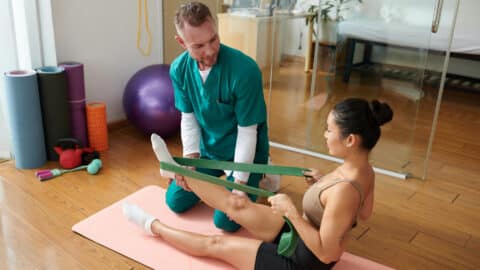


Healthy joints keep the body moving without discomfort. Many individuals ignore minor aches, hoping the issues will resolve on their own. Neglecting these signals can result in permanent structural damage.
Walking, running, and climbing stairs require optimal joint function. Paying attention to early indicators protects joint longevity. Identifying specific red flags helps maintain proper mobility throughout life.
Small changes in physical capabilities often point to underlying joint issues. Addressing these changes early keeps your body active and functional. Understanding what to look for prevents unexpected mobility limits. Early recognition empowers individuals to make informed wellness choices.
Persistent Pain During Daily Activities
Constant discomfort during routine tasks signals a deeper joint issue. Simple movements like rising from a chair should not cause distress. When discomfort persists for more than 2 weeks, the body is signalling a problem.
A publication from the Mayo Clinic indicated that localized pain often stems from wear and tear on the cartilage. Ignoring this discomfort can cause individuals to alter their stride. Modifying how one walks can create secondary issues in the hips or spine.
Repetitive stress on an unhealed joint accelerates tissue breakdown. Pain that intensifies during simple walks requires careful attention. Consistent discomfort means the joint is struggling to support regular physical weight. Seeking timely support stops minor damage from expanding.
When to Seek Professional Guidance
Ignoring joint discomfort can lead to long-term complications. Scheduling a consultation with an orthopaedic knee surgeon allows individuals to receive an accurate diagnosis. Early intervention can prevent further degradation of the cartilage.
Medical experts can evaluate structural integrity using advanced imaging. Getting an expert opinion provides clarity on treatment options. Therapy or minor adjustments can resolve many conditions before surgery becomes necessary. When surgery does become the option, some Australians look at hospitals overseas to avoid long waiting lists. Bookimed lists knee replacement options in Thailand, with surgeon profiles and patient reviews.
Proactive medical visits offer tailored paths toward full recovery. Specialists provide targeted strategies to protect your active lifestyle. Seeking professional feedback removes guesswork from managing joint health. Learning about your joint condition helps you avoid future injuries.
Swelling and Inflammation That Remains
Puffiness around the kneecap indicates fluid accumulation. This symptom frequently follows an acute injury or indicates chronic irritation. The joint can feel warm to the touch or look visibly larger than the opposite side.
An article by Johns Hopkins Medicine stated that fluid buildup happens when the joint suffers inner damage. Persistent swelling can restrict circulation and delay natural healing. Resting and elevating the leg can help, but constant fluid retention requires medical evaluation.
Inflammation often limits flexibility and makes bending the leg painful. When swelling returns after periods of rest, chronic irritation is likely present. Persistent puffiness should never be ignored as a minor inconvenience. Tracking fluid accumulation provides valuable data for your doctor.
Instability or Giving Way of the Joint
A feeling of looseness can make standing feel unsafe. The leg might buckle unexpectedly during a sudden turn or when walking down an incline.
The Centers for Disease Control and Prevention reports that joint instability contributes significantly to fall risks among adults. Weak ligaments cannot support body weight during motion. Proper evaluation helps determine if a tear exists.
People dealing with instability often notice specific patterns:
- Sudden buckling during routine steps
- Inability to bear weight evenly
- Shifting sensations inside the kneecap
Unsteady joints reduce confidence during regular physical exercises. Strengthening surrounding muscles provides support, but structural damage needs professional assessment. Addressing instability protects individuals from accidental falls.
Reduced Range of Motion and Stiffness
Difficulty straightening or bending the leg fully limits physical activities. Morning stiffness that lasts longer than 30 minutes deserves attention. This restriction can make sitting in tight spaces uncomfortable.
According to the Arthritis Foundation, a decrease in flexibility often points to osteoarthritis. Cartilage loss prevents the joint from gliding smoothly. Exercises can improve flexibility, but underlying conditions must be identified first.
Losing the ability to move a joint freely hinders everyday performance. Simple tasks like tying one’s shoes or entering a vehicle become challenging.
Restoring motion requires identifying the source of the joint friction. Gentle stretching routines can support joint health when done correctly.
Image source:https://pixabay.com/photos/knee-x-ray-medical-anatomy-2253047/
Hearing Popping or Grinding Noises
Audible sounds coming from the joint can feel unsettling. Frequent cracking accompanied by discomfort suggests a mechanical problem. Smooth movement relies on healthy surfaces moving against each other.
A study from the National Institutes of Health highlighted that crepitus, the medical term for grinding joints, can indicate cartilage damage. Friction increases when protective layers wear thin. Seeking guidance helps map out a recovery plan before friction worsens.
Sound without pain is common, but sounds combined with soreness mean trouble. Loose tissue or torn meniscus fragments can cause these noises. Tracking these auditory warning signs helps catch joint wear early. Noticing when these sounds occur helps professionals pinpoint the exact issue.
Paying attention to these warning signs preserves long-term joint health. Small adjustments can prevent minor issues from becoming major obstacles. Listen to your body and prioritise professional evaluations when symptoms persist.
Maintaining an active lifestyle requires keeping joints functioning correctly. Taking proactive steps today protects your mobility for the future. Your physical freedom relies on healthy, supported joints.
- About the Author
- Latest Posts