
7 online seafood cooking classes to master fish at home
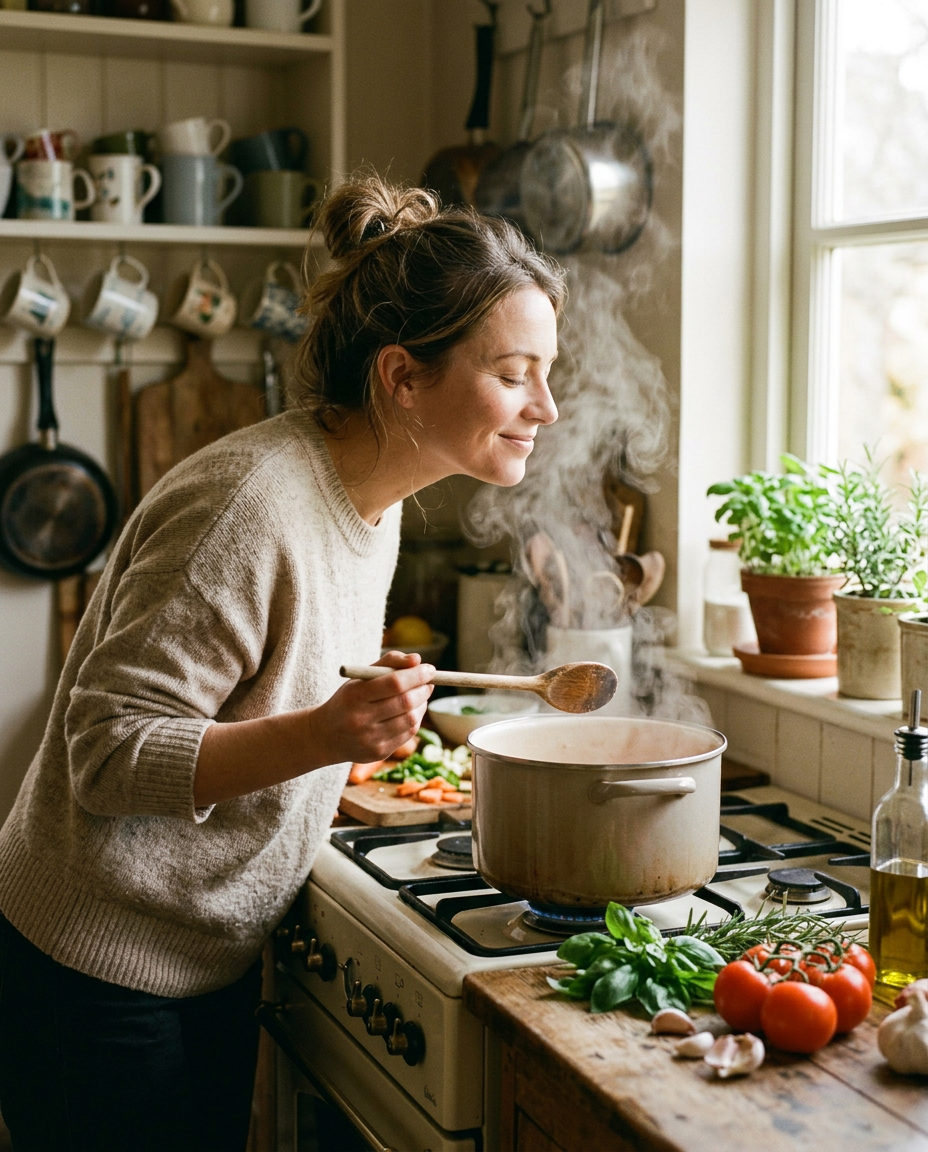
Seafood can be incredibly intimidating to prepare at home because fish cooks much faster than chicken or beef. A single minute of overcooking can turn a beautiful, expensive scallop into a rubbery disappointment. Mastering delicate fish requires specific techniques, making a virtual cooking class the perfect way to build your kitchen confidence.
Many students struggle to find time for hobbies while balancing heavy course loads. If you need more free time to practice your culinary skills, you can use an online service where you can ask experts to write my paper for me cheap to help manage your academic deadlines. Taking online cooking classes right from your own kitchen saves commuting time and keeps costs low.
In 2026, high-quality digital culinary programs offer incredible flexibility for busy seafood lovers. We compiled seven highly rated cooking courses that focus specifically on fresh seafood. Review the table below for a quick glance at your best options.
7 online seafood programs at a glance
| Provider | Format | Starting price | Best for |
| MasterClass (Gordon Ramsay) | Pre-recorded | $10/month | Celebrity chef techniques |
| America’s Test Kitchen | Pre-recorded | $20/month | Foolproof science-based recipes |
| Rouxbe | Pre-recorded | $10/month | Professional culinary foundations |
| Sur La Table | Live Zoom | $29/class | Interactive group events |
| Cozymeal | Live interactive | $39/class | Specific regional dishes |
| MasterClass (Thomas Keller) | Pre-recorded | $10/month | Fine dining execution |
| The Chef & The Dish | Live 1-on-1 | $140/class | International cultural immersion |
Source note: Pricing data compiled from official 2026 provider websites.
Gordon Ramsay’s restaurant recipes on MasterClass
Gordon Ramsay teaches you how to perfectly sear scallops and roast salmon with restaurant-level precision. His platform offers cinematic, beautifully shot video modules that make learning highly visual and entertaining. You can watch him break down a whole salmon with a level of confidence that takes years to build.
His video series breaks down the exact timing required to prevent rubbery, overcooked shellfish. You learn how to properly score fish skin to achieve a crispy texture without burning the delicate meat underneath. These pre-recorded cooking lessons let you pause and rewind whenever you need to see a technique again.
Ramsay emphasizes using minimal, high-impact ingredients to let your fresh fish shine. Instead of heavy sauces, he relies on herb-infused butter and bright citrus to elevate every meal. He frequently bastes fillets in the pan to keep the flesh moist and flavorful.
Beyond simple pan-searing, he even guides you through constructing his world-famous salmon en croûte, a classic dish where salmon is wrapped and baked inside rich pastry. Watching his precise folding techniques takes the intimidation factor completely out of working with puff pastry. You will proudly serve a jaw-dropping centerpiece at your next family holiday dinner.
To get started with his classic searing method, gather these essential kitchen supplies:
- Heavy cast iron skillet
- High-heat neutral cooking oil
- Coarse sea salt
- Fresh, dry fish fillets
America’s Test Kitchen online school
America’s Test Kitchen provides rigorously tested seafood recipes that guarantee foolproof results for nervous beginners. Their test cooks have ruined thousands of pieces of fish in their lab so that you never have to make the same mistakes at home. They explain the fundamental food science behind why fish behaves differently than land-based meats in a hot pan.
Their platform offers extensive cooking courses dedicated entirely to selecting and preparing fresh grocery store fish. You will discover exactly why certain pans cause fish to stick and how to prevent it completely. They even teach you how to spot genuinely fresh seafood by checking the clarity of a whole fish’s eyes.
Taking this cooking class gives you access to a massive library of technique videos and recipe guides. The instructors focus heavily on kitchen safety, proper food handling, and avoiding dangerous cross-contamination. Their clear, step-by-step approach removes all the guesswork from baking, poaching, or frying your fresh seafood.
Beyond just recipes, the platform provides unbiased reviews of the best seafood tools on the market. You will learn exactly which nonstick skillets and fish spatulas are actually worth your hard-earned money. Equipping your kitchen with the right gear instantly improves your chances of culinary success.
Follow these steps from their curriculum to prepare any white fish perfectly in a skillet:
- Pat the fillets completely dry on both sides using a clean paper towel.
- Season the meat generously with salt just before the fish hits the hot pan.
- Leave the fish completely undisturbed until it releases naturally from the cooking surface.
Rouxbe seafood literacy program
Rouxbe delivers a comprehensive, self-paced curriculum that teaches you the biology and anatomy of various fish species. This is not just a collection of recipes, but a deep dive into genuine culinary arts and foundational knowledge. You will learn the fundamental differences between flatfish and round fish, which dictates how you must fillet them.
Building on these structural foundations, this professional-grade platform offers some of the most rigorous cooking classes available to home chefs today. You will learn how to safely break down a whole fish, debone delicate fillets, and identify freshness at the market. Mastering these butchery skills saves you significant money since whole fish costs much less than pre-cut portions.
Completing these intensive cooking lessons grants you a deeper understanding of moisture retention and protein coagulation. The curriculum covers everything from basic wet poaching to advanced dry curing and smoking techniques. You will walk away feeling like a trained prep cook ready to tackle any oceanic ingredient.
Rouxbe also places a heavy emphasis on ocean sustainability and responsible consumer purchasing habits. You will learn how to read seafood labels and ask the right questions at your local grocery counter. Protecting our oceans ensures we can continue enjoying these delicious ingredients for generations.
Once you bring your sustainable seafood home, monitoring heat levels is critical for safety and texture. Review the target internal temperatures below to avoid undercooking or drying out your meal:
Recommended internal temperatures for cooked seafood
| Seafood type | Target internal temperature | Visual indicator of doneness |
| Salmon | 120°F to 125°F | Center is slightly translucent and flaky |
| Halibut | 130°F to 135°F | Meat is completely opaque and firm |
| Scallops | 115°F to 120°F | Edges are golden brown with a milky center |
| Shrimp | 120°F | Exterior turns bright pink and curls into a C-shape |
Source note: Temperature guidelines adapted from FDA safety recommendations and professional culinary standards.
Sur La Table interactive online workshops
Sur La Table connects you with a live chef via Zoom for real-time feedback while you cook your seafood dinner. You can set up your laptop on your kitchen counter and follow along with the instructor step by step. If you fall behind or get confused, you can simply unmute your microphone and ask for immediate help.
These sessions are highly rated fun cooking classes because you get to chat with other participants joining from across the country. You can share your final plated dishes to the camera and celebrate your culinary success with the group. The shared digital experience brings a wonderful sense of community into your private home kitchen.
Families can even use these sessions as engaging kids cooking classes to teach children basic knife safety, kitchen confidence, and healthy eating habits. Prepare for your live session by organizing your kitchen space efficiently:
- Measure all liquids into small glass bowls
- Chop your garlic and herbs before dialing in
- Position your laptop far away from splashing water or heat sources
Cozymeal virtual seafood experiences
Cozymeal allows you to book private or group sessions with independent chefs who specialize in coastal cuisines. You can browse through hundreds of different menus and pick the exact seafood dish you want to master. This platform empowers you to support freelance culinary professionals from all over the world.
These unique cooking courses cover highly specific regional dishes, like authentic New England clam chowder or Hawaiian poke bowls. You get an exact grocery and equipment list sent directly to your email a week before the event. This gives you plenty of time to source high-quality ingredients from your local seafood counter or market.
Because you buy your own ingredients, you control the budget and the exact quality of your seafood. Participating in these digital cooking classes connects you directly with professional chefs who gladly share their industry secrets. You can ask them where they source their favorite knives or how they keep their cutting boards clean.
Essential tools for home seafood preparation
| Tool name | Primary function | Why it matters for seafood |
| Fish spatula | Flipping delicate fillets | The thin, slotted edge prevents tearing the fragile meat |
| Pin bone tweezers | Removing tiny bones | Ensures a safe, pleasant eating experience without bone hazards |
| Fillet knife | Butchering whole fish | The flexible blade glides smoothly along the ribcage |
Thomas Keller’s fine dining techniques
Thomas Keller instructs you on the delicate art of sous vide and butter-poaching premium cuts of fish. His MasterClass focuses heavily on the philosophy of treating ingredients with maximum respect and care. He explains how to source the absolute best seafood available and why sourcing matters for fine dining.
His approach requires patience and precision, making this cooking class ideal for ambitious home cooks seeking Michelin-star results. You will learn how to make a classic, flawless beurre blanc sauce to elevate a simple white fish. Keller teaches you how to perfectly balance acidity and fat to complement the natural sweetness of seafood.
Keller’s meticulous cooking lessons demonstrate how exact temperature control completely changes the texture of lobster and salmon. Watching him work is a profound masterclass in kitchen cleanliness, discipline, and organization. He constantly wipes down his station, showing you how professional chefs maintain order during chaotic dinner service.
His course highlights the incredible benefits of cooking fish sous vide:
- The ultra-low temperature prevents the proteins from tightening, ensuring the meat never dries out.
- The vacuum seal securely locks in the natural oceanic flavors and any added aromatics.
- The precise water bath guarantees the exact same perfect result every single time you cook.
The Chef & The Dish international seafood
The Chef & The Dish beams international chefs into your kitchen to teach you authentic, global seafood recipes via Skype. You receive personalized, one-on-one instruction from a local expert living in the country where the dish originated. This intimate format ensures the chef can focus entirely on your technique and progress.
You can learn how to make traditional Spanish seafood paella directly from a seasoned chef living in Valencia. These specialized cooking courses cost a bit more, but they provide an unparalleled cultural immersion right from your home. The chef will share stories about their local fish markets and the history behind the ingredients you are using.
Whether you want to master Japanese sushi rolling or Italian seafood risotto, this premium cooking class delivers a highly personalized experience. You will finish the session with a massive, restaurant-quality feast to share with your family. Expanding your seafood repertoire opens up a whole new world of healthy, delicious dinner possibilities.
Popular global seafood dishes and their origins
| Dish name | Country of origin | Primary seafood ingredients | Flavor profile |
| Paella de Marisco | Spain | Shrimp, mussels, clams, squid | Saffron, garlic, smoked paprika |
| Ceviche | Peru | Raw white fish | Lime juice, cilantro, red onion, chili |
| Bouillabaisse | France | Various bony rockfish, shellfish | Fennel, saffron, tomatoes, garlic |
| Cioppino | United States | Dungeness crab, clams, shrimp | Tomato broth, white wine, oregano |
| Tom Yum Goong | Thailand | Jumbo shrimp | Lemongrass, galangal, kaffir lime, chili |
Source note: Dish profiles verified through international culinary databases and historical gastronomy records.
Mastering seafood in your own kitchen
Learning to prepare delicate fish no longer requires enrolling in an expensive, full-time culinary academy. Virtual instruction brings world-renowned chefs and rigorous techniques directly to your laptop or smartphone. By practicing these foundational skills at home, you will quickly transform intimidating ocean ingredients into easy weeknight dinners.
Investing a few hours into digital training permanently elevates your culinary confidence and saves you money on expensive restaurant meals. Grab your favorite skillet, buy a fresh fillet, and start searing your next catch today.
Frequently asked questions about virtual seafood training
Do I need expensive kitchen equipment to learn?
No, most online platforms focus on fundamental techniques using basic, accessible tools. A standard skillet, a sharp knife, and a thin metal spatula are usually all you need to get started. You can always upgrade your gear as your skills naturally progress over time.
Are these digital sessions suitable for complete beginners?
Absolutely, digital instruction is specifically designed to accommodate nervous novice home cooks. Instructors meticulously explain everything from selecting fresh fish at the market to controlling your stove’s heat. You can pause pre-recorded videos or ask live instructors for immediate help if you feel lost.
- About the Author
- Latest Posts

Lorraine is co-owner of Buggybuddys & Seniorocity and is a mother to two and furmum Cocker Spaniel Storm. Lorraine is also a qualified personal trainer and pilates teacher, once owning her own Yoga & Pilates studio in Perth. She previously lived and worked in London, UK where she worked as Public Relationships and Marketing Manager for several IT companies and worked with some of the largest tech companies in the world including Microsoft, Dell and EMC.