

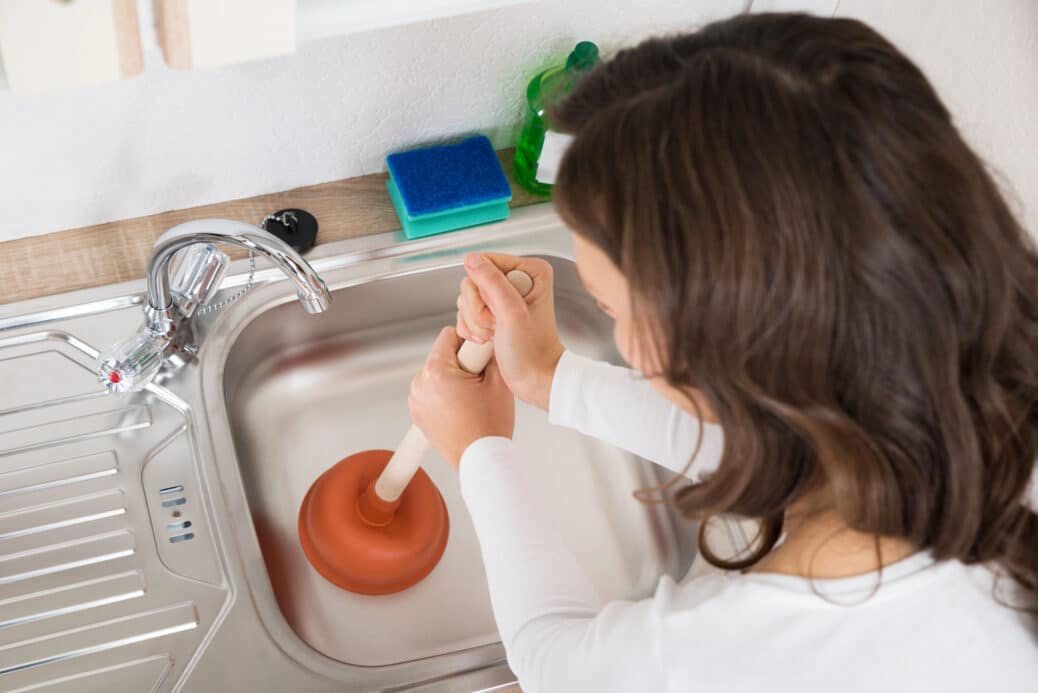
For mums managing meals, school routines, cleaning, and family schedules, a slow drain or leaking tap can add unnecessary stress. Simple kitchen plumbing habits can then support a daily routine without unnecessary disruptions.
Knowing what to keep out of the sink, which warning signs to look for, and when to call a plumber helps you stay ahead of common kitchen issues. These kitchen plumbing tips are practical for everyday home use and easy to add to your regular cleaning routine.
Why Daily Kitchen Habits Affect Your Plumbing
Grease, food scraps, coffee grounds, and soap residue can collect inside the drain. Once the pipe becomes blocked, water starts draining slowly and food waste can begin to back up. Several kitchen plumbing areas that needs regular attention:
→ Sink drain
→ Mixer tap
→ Dishwasher connection
→ Food waste disposal unit
→ Water supply lines
→ Under-sink fittings
A few regular checks can help you catch kitchen plumbing problems early, and they are easy to include in your regular cleaning routine.
#1 Keep Grease Out of the Sink
Grease and cooking oil can thicken, and stick inside the pipe, causing food scraps to build up and slow the kitchen drain.
- Let grease, oil, and fatty residue cool first.
- Wipe pans, trays, and plates before washing.
- Use a paper towel to remove fatty food residue.
- Pour cooled oil into a sealed container before placing it in the bin.
If your sink already drains slowly, avoid pouring more water into the drain. Remove visible scraps from the drain opening, keep grease out of the sink, and check if the water flow improves.
#2 Use a Sink Strainer Every Day
Using a sink strainer during daily kitchen tasks helps keep food scraps out of the drain. Common food waste like rice, pasta, coffee grounds, and greasy scraps can build up and cause a thick blockage. Choose a strainer that sits flat, lifts out easily, and fits well enough to stop scraps from slipping through the sides.
#3 Run Hot Water After Washing Dishes
Hot water helps rinse light soap residue and small particles after washing dishes. It is a useful maintenance habit when you are already keeping grease and food scraps out of the drain.
Hot water should not be treated as a fix for an existing blockage. If the sink is already gurgling or backing up, the pipe needs proper clearing. Be careful with chemical drain cleaners as well because some products can be harsh on older pipework.
#4 Check Under the Sink for Small Leaks
Look for damp patches, water stains, mould smells, or drips around the trap. Check the water supply lines as well, especially near the tap connections. A leak can stay hidden when the cabinet is full, so move items out occasionally to see what is happening.
When you find moisture under the sink, dry the area and check if the water returns. Avoid over-tightening connections without knowing the cause. Some leaks come from worn parts, and tightening them can make the damage worse.
#5 Know What Can Go Into the Disposal Unit
Avoid putting hard, greasy, fibrous, or bulky food waste into the disposal unit, as it can jam the blades, block the drain, or damage the motor. Use the disposal unit this way:
- Run cold water while the unit is on.
- Keep the water running briefly after turning it off.
- Avoid forcing large amounts into the unit at once.
If the unit jams or hums, stop using it, clear any visible waste from the opening, and avoid restarting it until the problem is checked properly.
#6 Watch How the Dishwasher Drains
After each cycle, check if water remains inside the dishwasher or if water backs up into the kitchen sink. Clean the dishwasher filter regularly and remove visible food scraps from the bottom of the appliance. Scrape plates before loading them, and avoid placing grease-heavy dishes straight into the dishwasher.
If the problem keeps happening, treat it as a drainage warning instead of a normal dishwasher issue.
#7 Fix Leaking Taps Early
Water can drip from the spout, pool around the tap base, leak under the sink, or make the handle harder to turn. Identify the leak source by:
→ Turning the tap off fully and drying the area around it.
→ Looking at the spout if water keeps dripping.
→ Inspecting the tap base if water pools on the benchtop.
→ Looking under the sink if water appears near supply lines.
Keep the area dry, note where the water appears, and avoid forcing the handle tighter if the leak continues.
When Sink Blockages Need a Proper Plumbing Check
A licensed plumber should inspect the issue when the sink keeps blocking or dirty water keeps backing up after basic care. These signs can point to a deeper blockage in the waste line instead of surface-level food residue.
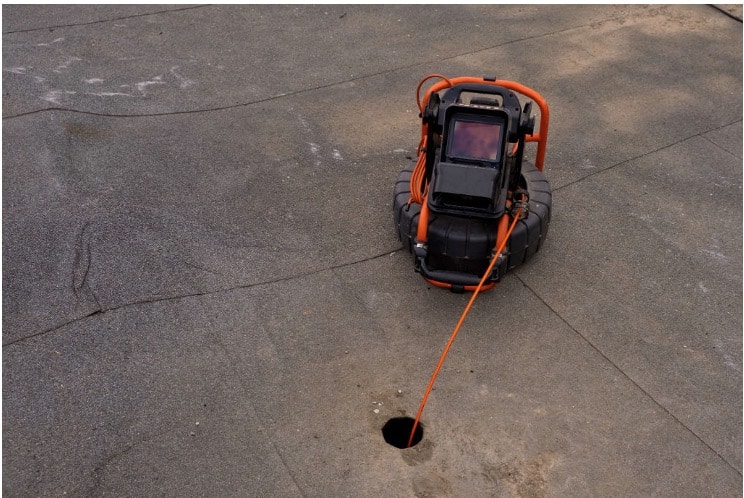
Drain CCTV camera used to inspect a blocked drainage line. Source: Static Plumbing Brisbane
Proper plumbing check should include:
✓ Inspecting the sink trap, waste pipe, and drain connection
✓ Checking if the blockage is local or deeper in the drainage system
✓ Using a drain CCTV camera to inspect the inside of the pipe
✓ Clearing the blockage with the right drain-clearing equipment
✓ Testing the sink, dishwasher, and nearby fittings
✓ Looking for signs of water damage under the sink
For a busy household, this helps stop repeated sink problems from turning into ongoing water damage under the kitchen sink.
Simple Kitchen Plumbing Takeaways for Busy Mums
For busy moms juggling daily routines, plumbing care works best when it is simple and consistent. A few household reminders can help:
✓ Remind kids not to put food scraps down the sink.
✓ Ask everyone to scrape plates before rinsing.
✓ Keep the under-sink area clear enough for quick checks.
✓ Make simple kitchen habits part of the family routine.
Stay alert to plumbing changes and get help when the issue no longer looks like a normal clean-up problem. This keeps the kitchen safer, easier to maintain, and more reliable for daily family use.
- About the Author
- Latest Posts