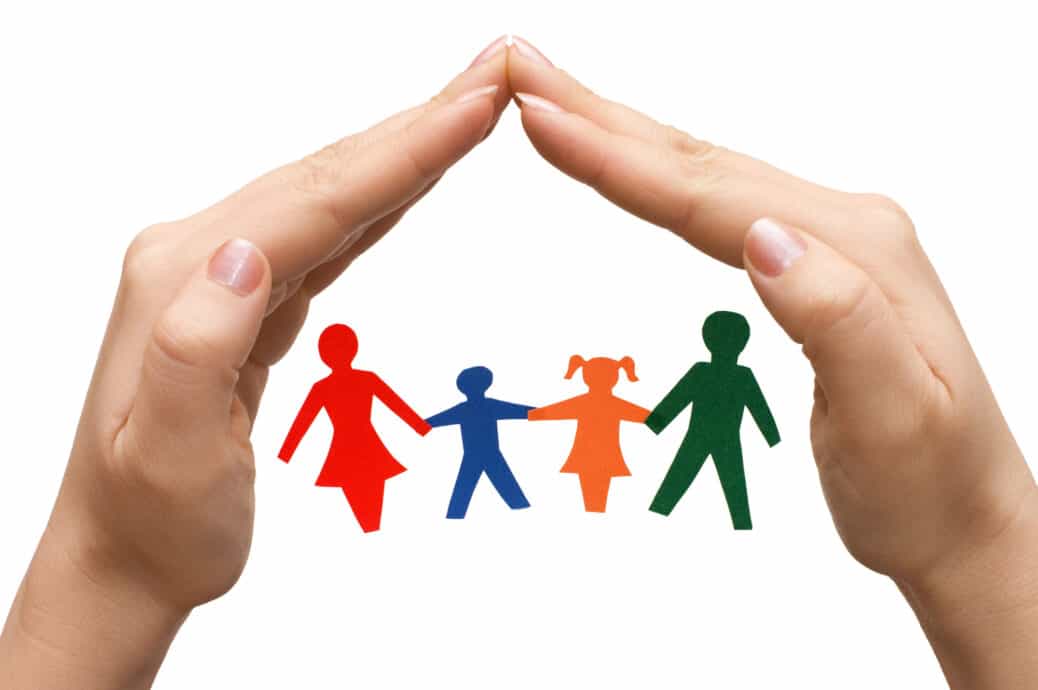
It’s no secret that humans are social animals, and one of the most crucial environments where we form the basis of the social world around us is within our family circle. The family is where we first create our ideas of love, respect, and communication from childhood to our adult years.
When the family interacts well with one another, this can make everyone better off and increase feelings of confidence and safety for everyone. In contrast, if there’s constant conflict within the household, this could make members of the family unit feel more anxious and emotionally drained.
As this is the case, every person needs to develop and adopt positive behaviours when interacting with their family members. This starts by being aware of one’s actions and the dynamic actions at play in a family unit, and ensuring that you choose and lead other members to select the kinder and more loving option.
If you want to learn more about the difference between healthy and harmful behaviour within the family unit, then you’re in the right place. Whether you’re a parent or a teen, we’ll show you the differences between the two behavioural sides so you can recognise patterns and address them effectively.
Here’s a breakdown of healthy and harmful family behaviours.
3 Signs of Healthy Behaviours in Family Settings
Healthy family behaviours create an environment where everyone feels supported and loved.
These behaviours help make people turn into confident human beings both inside and outside the home. It also paves the way for each member to spread kindness and love to others outside their circle, making them well-adjusted and healthy individuals in the long term.
Here are some signs of a family that exhibits healthy behaviours.
They’re Open and Respectful
One sign of a family exhibiting healthy behaviour amongst their circle is openness and respect to one another. This means family members feel comfortable expressing their thoughts and emotions without fearing a hostile or overblown reaction by their relative.
When children and parents can be transparent with one another, this shows that there’s trust and respect within the circle. This is a healthy sign that the child feels heard, understood, or at the very least, feels safe revealing details about their lives to their parents and siblings.
When a child feels the need to conceal what they’re doing or tell a white lie, this could indicate fear or distrust of their parents’ response. When this action forms into a habit, it could indicate that they don’t feel completely safe in the home environment.
A family that practises openness and respect creates a supportive foundation where communication flows naturally. Problems never escalate, and conflict rarely occurs. When conversations flow freely, even emotionally difficult ones, this is the hallmark of a secure home environment.
They Handle Conflict Constructively
Another sign of a healthy familial relationship is when each family member handles conflict with tact, patience, and understanding. This means they focus on addressing issues and separating it from the individual.
When parents listen to their children air their feelings, or when children demonstrate obedience and restraint when asked to do (or not to do) something, this can strengthen the familial bond and make the household more peaceful and harmonious.
Of course, families will always have moments of conflict—that’s normal and expected. However, families who practice constructive conflict resolution will have a much better time promoting a stable household environment that feels safe and trusting in the long run.
When family members regard each other with respect and openness to compromise amidst conflict, this can keep the peace and promote a dynamic where challenges can strengthen relationships, not strain them.
They Offer Emotional Support
Families who aren’t afraid to express concern for each other are the ones with naturally healthy emotional bonds. It’s very natural to feel emotions while going through the motions of everyday life—happiness, sadness, and the whole array in between.
Family members who support each other during one’s highest and lowest moments are vital to instilling a sense of belonging and appreciation for everyone.
Whether it’s a celebration for a sports victory or a consolation for a friend who moved away, showing care for your child can help promote a secure attachment style. This, in turn, makes it easier for them to become their truest selves.
3 Signs of Harmful Behaviours in Family Settings
Just as healthy behaviours strengthen the family unit, harmful behaviours can slowly erode it. If people don’t feel safe at home, this can make them act out in destructive ways both inside and outside the home environment.
Addressing these issues immediately is key to ensuring that you can intervene before these habits become a long-term problem.
Here are three common signs of harmful behaviours in family settings.
They Create a Tense Home Environment
One sign of a toxic family dynamic is when one or more individuals within the family circle add a degree of tension whenever they don’t get their way.
They may express frustration by saying passive-aggressive comments, being unnaturally silent, or being extremely angry whenever they lash out.
In some cases, they could bring so much discomfort that other family members have to walk on eggshells around them. This can take a toll on the affected party’s emotional well-being, especially children who may not be able to express themselves appropriately just yet.
If the situation gets too dire, know that it’s not too late to seek outside help. Astor Legal domestic violence law services can help protect your family and dignity from potentially threatening scenarios caused by a family member.
They Escalate Conflict
Another sign of harmful family behaviour is when conflicts are quickly escalated instead of calmly addressed. People who blame others, raise their voices, or cover their ears to others’ pleas could create a rift in the family, causing affected members to be too afraid to speak up or feel unheard.
If your parent, for instance, reacts harshly to small mistakes or turns minor disagreements into heated arguments, then this is a sign of them escalating conflict. This could create an unsafe and unstable household environment, which could prevent healthy communication from arising.
In such cases, family members can withdraw emotionally or avoid one another to keep the peace. This can lead to family members having a strained relationship with one another, which can be developmentally harmful for the child and the people affected.
They Manipulate and Lie
Another harmful behaviour that family members may deploy against their own kin is manipulation and lies. Instead of respecting the other person’s response, they cover the truth or guilt-trip others to have their way.
These people don’t care about how their actions will affect the other party. They control, confuse, and drain the other person emotionally, using words as weapons to maintain power in the relationship.
For instance, a relative might attempt to gaslight you or claim that you’re overreacting when the thing you raise is a totally valid concern. This behaviour is very unhealthy and can make it difficult for affected members to connect with the family.
4 Ways to Improve Behaviours in Family
No family is perfect, but there are ways you can keep the peace. Here are some tips to help keep your family on good terms.
- Encourage honest conversations: Set time for check-ins for everyone to express thoughts without fearing judgment.
- Show emotional support: Acknowledge one another’s feelings.
- Set healthy boundaries: Protect the personal space and privacy of every family member.
- Model respectful behaviour: Children and adults will naturally follow you if you practice kindness, patience, and empathy.
By being proactive in spreading kindness within the family circle, you can naturally influence everyone to have each other’s back when times get tough.
This kind of family environment helps everyone feel at ease and supported, which is exactly what you want when building a healthy household.
All the best in building a healthy family dynamic!
- About the Author
- Latest Posts