

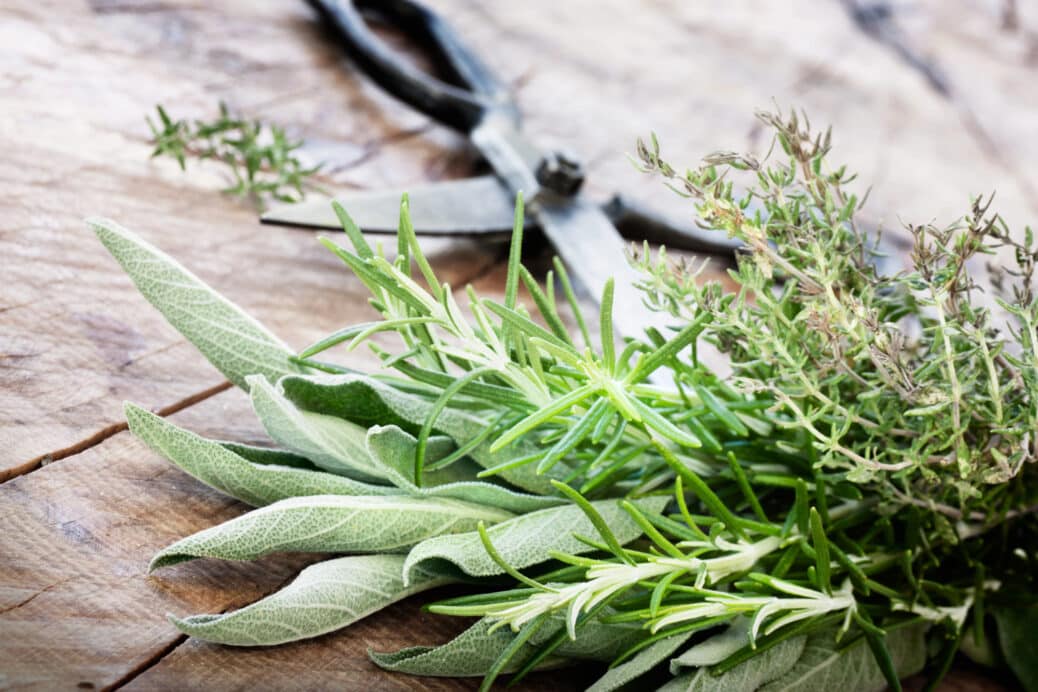
Herbs introduce a world of flavour to any dish. It adds a new dimension to various kitchen creations, and it’s not uncommon for home cooks to have a range of herbs in constant rotation for their everyday meals.
While most home kitchens have a supply of herbs, many individuals still struggle to grasp the difference between fresh and dried varieties. While the difference may seem subtle at a glance, the truth is that the herb type you choose can completely change the flavour profile and impact of the dish.
If you want your dishes to pack the best flavour to your taste buds, then it’s essential to familiarise yourself with fresh herbs and dried herbs, primarily their different roles in elevating the dish. Besides that, you should also know the best techniques when cooking with herbs of all varieties to ensure that your dishes have a delightful and delicious flavour.
Without further ado, let’s uncover the difference between cooking with fresh and dried herbs, and how you can harness their individual flavour profiles to elevate your cooking game. Let’s jump right into it.
Key Differences Between Fresh and Dried Herbs
Herb varieties may come from the same plant, but when it comes to kitchen preparation, fresh and dried herb variants play very different roles. So if you plan to elevate everyday meals for yourself and the entire family, then it’s important to know how each herb variety delivers its flavour and depth.
Fresh herbs add freshness and brightness to a dish. They still have their natural oils and primary texture intact, making them feel crisp and vibrant when tasted. They also introduce a nice, natural yet fleeting aroma to the dish, particularly when they’re chopped or torn, as that’s when the flavour gets released.
On the other hand, dried herbs pack a deeper and more concentrated flavour during the cooking process. Dried herb variants from Austral Herbs are stripped of their natural oils and rehydrated. This process amplifies their taste and makes them more bold and earthy to the taste buds. Because they’ve been processed and rehydrated, dried herbs also have a longer shelf life.
In essence, when you want your dish to have bright and aromatic notes, fresh herbs work best. They’re great at livening up a dish and adding a splash of colour and vibrancy.
In contrast, dried herbs deliver a more intense and concentrated flavour. It’s often chopped and darker in comparison to fresh variants, making it less visually appealing but making up for it with its bold taste and lengthy expiration date.
Fresh Herbs: When to Use Them
Fresh herbs have a high ceiling when it comes to the flavour dimension they can infuse in a dish. You can enjoy a larger array of dishes with fresh herbs, making them highly versatile when it comes to creating a wide range of recipes.
Here are other particularly standout use cases of fresh herbs. These use cases make them excellent kitchen additions and not something that dried herbs can simply phase out.
1. Use Fresh Herbs to Brighten Salads
Fresh herbs on a fresh meal, like a salad or sandwich, is a match that just works. Fresh herbs, whether it’s basil, parsley, or cilantro, are excellent add-ons that can elevate these meals and introduce a more colourful mix of vegetables into the concoction.
When chopped or torn, these natural herbs release essential oils that create a burst of flavour upon a bite. The flavours are aromatic and not too intense as well, making the meal feel light, refreshing, and easy to stomach overall.
2. Use as a Garnish
Fresh herbs are the perfect add-ons once the main dish has been cooked and plated. These herbs add a subtle polish that makes the dish look more presentable and professional.
Of course, the dish’s plating is not all there is to it. These fresh herbs introduce their own burst of flavour that adds a new dimension to the dish’s overall flavour profile. This is especially true if you cut the herbs and allow their natural oils to make their way around the dish.
Some examples of garnishes include parsley on roasted meats, cilantro on tacos, and basil on pasta. A few fresh leaves can be enough to give your meal a vibrant and fresh mouthfeel, which can be uplifting in its own right.
3. A Final Addition in the Cooking Pot
If you want fresh herbs to be infused in your final dish, then that’s definitely a possibility. The key is to remember that herbs are delicate and sensitive to heat. When they’re cooked too long, their vibrant oils and aromas can fade or turn bitter.
To preserve an herb’s freshness while cooking it, it’s vital to add it only towards the end of the cooking process. Avoid mixing the herbs, as this can strip their natural flavours away. Just leave it as is, and once you plate your meal, you can enjoy a more appetising and visually striking dish.
Dried Herbs: When to Use Them
Dried herbs, in contrast to fresh herbs, play a more active role in the cooking process. Unlike fresh herbs that tend to lose flavour when cooked and stirred, a dried herb’s highly concentrated flavours intensify as they simmer over time.
While the drying process alters the base flavours of the herb quite significantly, that’s not necessarily a bad thing. A more robust, earthy, and bold flavour can pop up, making any dish taste more complex and layered than without its presence.
In fact, in many recipes, dried herbs are a staple to bring out a specific flavour profile that people enjoy and love. Whether you’re using dried oregano, rosemary, or thyme, here are a few instances when using dried herbs is considered a superior option in the kitchen.
1. An Addition to Slow-Cooked Dishes
Do you own a crockpot or slow cooker and enjoy exploring different recipes with it? If so, then having a couple of dried herbs in your spice rack and using them when slow-cooking dishes could be a great way to add new layers to your cooking.
The magic of slow cooking is time. When the dried herbs are slowly simmered alongside a stew, casserole, or braise, the concentrated oils slowly release and produce a deep and complex flavour that’s rich and mellow. This process helps create aromatic dishes that are hearty, filling, and flavourful.
2. A Staple in Sauces and Marinades
Dried herbs not only elevate stews and braises, they also help infuse a rich flavour in sauces and marinades as well. Because their flavours are so concentrated in a tiny amount, even a dash of it can be enough to transform simple sauces like gravy and tomato sauce into something much more flavourful.
Some good dried herbs to add to sauces include dried oregano, basil, and thyme. When they get rehydrated during the cooking process, their new taste takes form and becomes more well-rounded. The flavours also infuse with the other ingredients in the sauce, creating a harmony of flavours that unveils itself after a few hours of simmering.
3. Used in Baking and Dry Rubs
Dried herbs aren’t only meant to be added to the crockpot. They can also be used to enhance the flavour of meats and breads that are yet to be added to their respective cooking appliance.
Dried herbs can be added to a dry rub mix along with spices like salt and pepper to create a fragrant and delicious character to slow-cooking meats. When rubbed on meat and cooked, the dry rub gets infused into the oily meat and creates a richer and more savoury flavour profile.
In the baking process, dried herbs can be kneaded into bread dough and help create pastries that are aromatic and flavourful. Unlike fresh herbs, dried herbs can withstand high temperatures in the oven, lending a nice complexity to the bread once it’s fully baked.
Cooking Techniques With Herb: The Substitution Rule
If you plan to substitute fresh herbs for dried herbs, then the general rule is to use one-third of the amount stated in the recipe. This is because of a dried herb’s inherent potency.
For instance, if a recipe calls for cooks to use 120 grams of coriander to prepare a meal, then a viable substitute would be to use 40 grams of dried coriander to recreate a similar flavour.
Keep in mind, though, that a dried herb’s flavour profile can differ greatly from its fresh counterpart. As such, it’s important to familiarise yourself with the different taste profiles of dried herbs before buying them in bulk.
We hope you can make more delicious homemade meals with these herb tips!
- About the Author
- Latest Posts