

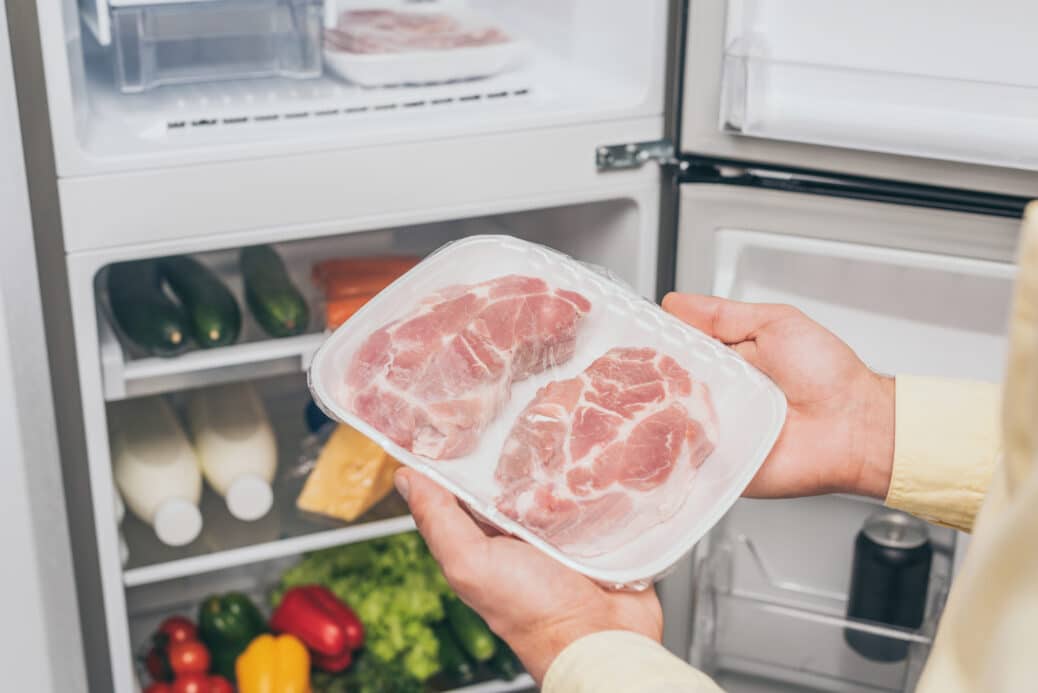
Most people don’t realise that the way meat is wrapped in the fridge can dramatically affect how long it stays fresh. While plastic wrap is convenient, it often accelerates spoilage by trapping moisture against the meat, creating ideal conditions for bacterial growth.
Premium butchers advise a simple switch to breathable wrapping methods can extend freshness by several extra days – without the need for chemical preservatives. This small change can help families save money, reduce food waste and enjoy better-tasting meals.
The method is straightforward: loosely wrap cuts of meat in a double layer of unbleached butcher’s paper before placing them in the coldest part of the fridge, ideally the bottom shelf. A plate underneath will catch any drips, while the paper itself absorbs excess moisture and creates a microclimate that balances humidity and airflow. The result? Cuts that stay safe, tender, and flavourful for up to twice as long compared with plastic.
If butcher’s paper isn’t available, a clean cotton tea towel dedicated solely to meat storage can serve as an effective alternative. The key is ensuring the meat is kept at or below 5°C, as recommended by Food Standards Australia New Zealand (FSANZ). Their guidelines stress that potentially hazardous food must be stored at this temperature or colder to slow bacterial growth.
Experts also advise:
- Store raw meat on the bottom shelf to avoid contamination of other foods.
- Portion bulk purchases into meal-sized amounts before wrapping to limit handling.
- Regularly check fridge temperature with a thermometer to ensure it remains below 5°C.
Matthew Ongarato, Managing Director of Melbourne-based Grange Meat Co., says many customers are surprised by the results when they adopt this old-world method.
“People often tell me they’ve had to throw out expensive cuts after just two days in plastic wrap because they turned grey,” Ongarato said. “When wrapped in butcher’s paper, the same cuts hold their colour and flavour for almost a week. It’s such a simple switch, but it makes a huge difference.”
He emphasises that the paper works by creating balance. “Butcher’s paper prevents the meat from drying out completely while still allowing it to breathe. Plastic suffocates the meat, trapping liquid against the surface and fast-tracking spoilage. Paper creates the right conditions for the meat to stay fresh naturally.”
Ongarato also encourages shoppers to be mindful when buying in bulk. “If you’re buying a big tray of steaks or a whole cut, divide it into meal-sized portions straight away. Wrap each portion individually in paper before refrigerating or freezing. That way, you only handle what you’re cooking and avoid repeatedly exposing the rest to air and bacteria.”
He points out that storage isn’t only about extending life, it can improve flavour too. “Many premium restaurants use paper wrapping as part of their dry-aging techniques. Even at home, giving meat a few extra days in paper can allow natural enzymes to tenderise it and deepen the flavour. It’s something our grandparents knew, but a lot of people have forgotten.”
For those looking to cut waste and reduce reliance on plastic, Ongarato believes this is one of the simplest changes households can make. “We’re all throwing out too much food, and meat is one of the most expensive things in the fridge. By storing it properly, you’re not just saving money – you’re getting better quality meals at the same time.”
He says this return to traditional storage methods reflects a growing interest in reducing both food waste and plastic use. “Our grandparents knew what they were doing with butcher’s paper. Sometimes the old ways really are the best ways.”